
Car Insurance Rates in Delaware — Multi-Vehicle Households
Free to compare
When Adding a Third Vehicle Changes Your Entire Premium
You just added a third car to your Delaware policy and the new premium is higher than you expected — not just the cost of insuring the new vehicle, but a jump that affects all three cars. Carriers re-rate the entire policy when you add a vehicle mid-term, recalculating risk across the household rather than simply tacking on a flat amount for the new car. The multi-car discount applies to the combined policy, but the discount percentage and the base rate both shift when the vehicle count changes.
Delaware requires $25,000 bodily injury per person, $50,000 per accident, and $10,000 property damage as minimum liability, plus mandatory personal injury protection. Every vehicle on your policy must meet these minimums. When you add a vehicle, the carrier evaluates the new car's year, make, model, garaging ZIP code, and how it changes the household's overall risk profile — then recalculates the premium for every vehicle on the policy, not just the one you added.
“Adding a vehicle mid-term re-rates the entire policy, recalculating risk across the household rather than simply adding a flat amount for the new car.”

Meet Delaware's Requirements Without Overpaying
Get My Delaware Car Insurance Quote$1,462.03
Delaware Average Annual Auto Expenditure Per Vehicle
Average annual auto insurance expenditure per insured vehicle in Delaware as of 2023. Multi-vehicle households may see lower per-vehicle costs when the multi-car discount applies, but adding a vehicle mid-term re-rates the entire policy rather than adding a proportional share.
NAIC Auto Insurance Database Report 2023
The Multi-Car Discount Requires Same Policy and Same Address
Delaware carriers structure the multi-car discount around two requirements: every vehicle must sit on the same policy, and every vehicle must be garaged at the same address. A household with three cars titled to three different people can still qualify if all three vehicles are garaged at the household address and all three drivers are listed on one policy. A household where one spouse keeps a separate policy, or where a college-age driver maintains their own policy at a different address, does not qualify for the multi-car discount on either policy.
The same-address rule trips up households combining policies after marriage or adding a roommate's car. If one vehicle is garaged at a different address — even temporarily, even if both drivers live in the same household — the carrier treats it as a separate risk and the multi-car discount does not apply. Verify garaging addresses with your carrier before combining policies. A vehicle garaged at a work address, a storage lot, or a parent's home does not count toward the same-policy discount even if the owner lives at the household address.
Carriers writing multi-vehicle policies in Delaware include Allstate, Geico, Progressive, State Farm, Farmers, and Nationwide. Not every carrier offers the same discount structure. Some carriers calculate the discount as a percentage off each vehicle's base premium; others apply a flat reduction to the total policy premium. Compare how each carrier structures the multi-car discount when you add or remove a vehicle, because the method changes which carrier offers the lowest combined rate.
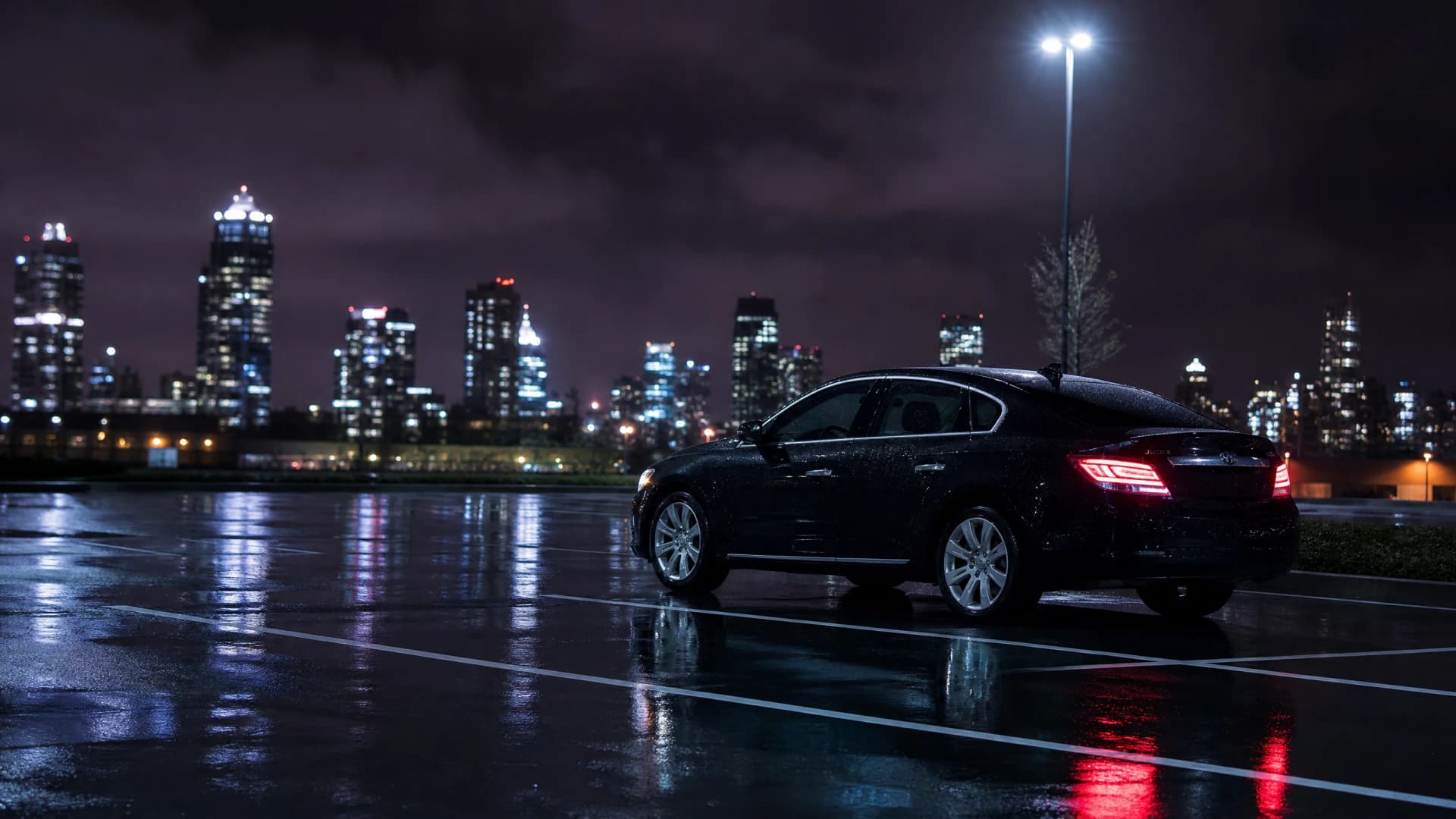
A vehicle titled to a household member on a different policy does not count toward the multi-car discount, even if that person lives at the same address and is listed as a driver on your policy.







Combining Two Policies After Marriage or a Household Change
Two spouses with separate policies often assume combining them automatically saves money because the multi-car discount applies. That assumption holds only when both policies have similar base rates and both drivers have clean records. If one spouse has a recent violation, a lapse in coverage, or a significantly higher base rate, combining policies can raise the total household premium rather than lower it. The carrier applies the higher-risk driver's profile to every vehicle on the combined policy, and the multi-car discount may not offset the increased base rate.
Run quotes for both scenarios before combining: one combined policy with all vehicles and drivers, and two separate policies with each spouse's vehicles and drivers isolated. Compare the total annual premium for both structures. Some households pay less with two separate policies when one driver's risk profile is significantly higher than the other's. Delaware does not require spouses to share a policy, and carriers cannot penalize you for maintaining separate policies if that structure produces a lower combined cost.
When you combine policies, the carrier re-rates every vehicle as if you are starting a new policy. The multi-car discount applies, but so does the underwriting process for the combined household. If one spouse has a DUI, a suspended license, or multiple at-fault accidents, the carrier may decline to write a combined policy or may offer a combined policy at a higher rate than two separate policies. Compare combined versus separate quotes from at least three carriers before making the decision.
Delaware's uninsured motorist rate is 17.6 percent as of 2023. Households with multiple vehicles often add uninsured motorist coverage to protect against drivers who carry no insurance or who carry only the state minimum. Uninsured motorist coverage is not mandatory in Delaware, but it covers your household's vehicles and occupants when an at-fault driver has no insurance or insufficient coverage. Adding uninsured motorist coverage to a multi-vehicle policy increases the total premium, but the per-vehicle cost is lower than adding it to a single-car policy because the carrier spreads the coverage across every vehicle on the policy.
17.6%
Delaware Uninsured Motorist Rate
Percent of Delaware motorists driving without insurance as of 2023. Multi-vehicle households adding uninsured motorist coverage to a combined policy pay a lower per-vehicle cost than single-car policies because the coverage applies to every vehicle and driver on the policy.
Insurance Information Institute 2023

When a Rarely-Driven Vehicle Sits on the Policy
Households with four or five vehicles often have one car driven only occasionally — a classic car, a project vehicle, or a car used only for errands. Keeping that vehicle on a standard multi-vehicle policy with full coverage raises the total premium without proportional benefit. Carriers offer reduced-coverage options for rarely-driven vehicles: comprehensive-only coverage, storage coverage, or a stated-mileage policy that lowers the premium when you certify the vehicle is driven fewer than a set number of miles per year.
Comprehensive-only coverage drops liability and collision but keeps comprehensive coverage for theft, fire, vandalism, and weather damage while the vehicle is parked. This structure works for a car garaged at home that you drive fewer than 1,000 miles per year. Liability coverage is not required when the vehicle is not driven on public roads, but comprehensive coverage protects the vehicle's value while it sits.
Compare Multi-Vehicle Quotes Across Delaware Carriers
Delaware households insuring two or more vehicles should compare quotes from at least three carriers that write multi-vehicle policies in the state. Carriers structure the multi-car discount differently: some apply a percentage reduction to each vehicle's base premium, others apply a flat dollar reduction to the total policy premium, and some tier the discount by vehicle count so the third and fourth vehicles receive a larger discount than the first two. The carrier with the lowest single-vehicle rate does not always offer the lowest multi-vehicle rate once the discount applies.
Request quotes that include every vehicle, every driver in the household, and the coverage levels you need to meet Delaware's $25,000/$50,000/$10,000 minimum liability plus personal injury protection. Specify garaging addresses for each vehicle and confirm that every vehicle qualifies for the multi-car discount under the carrier's same-address rule. Compare the total annual premium and the per-vehicle breakdown to see how each carrier allocates the discount across your household's vehicles. Use the site's comparison tool to see which Delaware carriers write multi-vehicle policies and how their discount structures differ.
How Carriers Re-Rate When You Add a Vehicle Mid-Term
When you add a third vehicle, the carrier evaluates how that car changes the household's overall risk. A high-value vehicle, a car driven by a young driver, or a vehicle with a long commute increases the household risk score and raises the base rate for all three vehicles. A low-mileage vehicle or a car driven only occasionally may lower the per-vehicle rate because the carrier spreads the discount across more vehicles without adding proportional risk. The carrier recalculates the premium for every vehicle on the policy, not just the one you added, and applies the new multi-car discount percentage to the updated vehicle count.
Most carriers give you a grace period to report a newly-purchased vehicle — typically 14 to 30 days — during which the new car is covered under your existing policy. Report the vehicle within that window. If you miss the grace period and file a claim on the unreported vehicle, the carrier can deny coverage. Adding the vehicle triggers the re-rating process immediately, and your next billing cycle reflects the recalculated premium for all vehicles on the policy.
Get Your Free Quote
Get My Delaware Car Insurance QuoteFrequently Asked Questions
Does Delaware require the same address for the multi-car discount?
Yes. Delaware carriers require every vehicle on the policy to be garaged at the same address to qualify for the multi-car discount. A vehicle garaged at a different address — even temporarily — does not count toward the discount even if the owner lives at the household address and is listed as a driver on the policy.
How does adding a third vehicle change my Delaware policy premium?
Adding a third vehicle re-rates the entire policy from the date you add the vehicle forward. The carrier recalculates the base rate for all three vehicles, applies the multi-car discount to the new vehicle count, and adjusts the premium for the changed household risk profile. The new premium reflects the recalculated rate for every vehicle on the policy, not just the one you added.
Should I combine two policies after marriage in Delaware?
Not always. Combining policies saves money only when both spouses have similar base rates and clean records. If one spouse has a recent violation or a higher-risk profile, combining policies can raise the total household premium because the carrier applies the higher-risk driver's profile to every vehicle. Compare quotes for one combined policy versus two separate policies before deciding.
Can I insure a rarely-driven car on my Delaware multi-vehicle policy?
Yes. Carriers offer comprehensive-only coverage for rarely-driven vehicles, which drops liability and collision but keeps comprehensive coverage for theft, fire, and weather damage.
Which Delaware carriers write multi-vehicle policies?
Allstate, Geico, Progressive, State Farm, Farmers, and Nationwide write multi-vehicle policies in Delaware. Each carrier structures the multi-car discount differently — some apply a percentage reduction to each vehicle, others apply a flat dollar reduction to the total policy. Compare quotes from at least three carriers to see which offers the lowest combined rate for your household's vehicles.