
Cheapest Car Insurance — Delaware
Free to compare
The Multi-Car Cost Question in Delaware
You own two or three vehicles, each needs Delaware's mandatory $25,000 per person / $50,000 per accident bodily injury liability, $10,000 property damage, and personal injury protection. You want the lowest total premium for the household, not just the cheapest per-vehicle rate. The structural reality: a carrier advertising a low single-car rate often prices multi-vehicle policies higher than a competitor whose advertised rate looks steeper, because the multi-car discount structure and base-rate calculation differ across the 16 carriers licensed in Delaware.
The question is not which carrier has the lowest advertised rate. The question is which carrier writes the lowest combined premium for your specific household once every vehicle, every driver, every garaging address, and the multi-car discount are factored into one policy. That answer varies by household structure, and the only way to find it is to compare quotes with identical coverage across carriers that write multi-vehicle policies in Delaware.
“A carrier offering a smaller discount on a lower base rate can beat a larger discount on a higher starting point.”

Meet Delaware's Requirements Without Overpaying
Get My Delaware Car Insurance Quote$1,462.03
Delaware Average Annual Auto Expenditure Per Vehicle
The 2023 NAIC figure represents spending per insured vehicle statewide, not a household total. A two-car household meeting Delaware's minimum liability and PIP requirements will see a combined annual expenditure shaped by the multi-car discount, shared garaging address, and whether both vehicles carry collision and comprehensive.
NAIC Auto Insurance Database Report 2023
Delaware's Mandatory Coverage and What It Costs Across Multiple Vehicles
Delaware law requires $25,000 bodily injury liability per person, $50,000 per accident, $10,000 property damage, and personal injury protection on every registered vehicle. Uninsured motorist coverage is not mandatory, but 17.6% of Delaware drivers carry no insurance. That gap matters when you're structuring coverage for two or more cars: the state minimum protects the other driver, not your household's vehicles or medical bills beyond PIP limits.
A household insuring multiple vehicles on one policy must meet the state minimum on each car. The multi-car discount applies to the total premium, not to each vehicle individually. Most carriers require every vehicle to sit on the same policy and share a garaging address for the discount to apply. A vehicle titled to a household member on a separate policy does not count toward the same-policy requirement, even if both policies are with the same carrier.
The lowest-cost path for a multi-vehicle household is not always the carrier with the cheapest minimum-limit single-car rate. A carrier offering a smaller discount on a lower base rate can produce a lower combined premium than a carrier advertising a larger discount on a higher starting point. The only way to know which structure wins for your household is to compare identical coverage across carriers writing multi-car policies in Delaware.
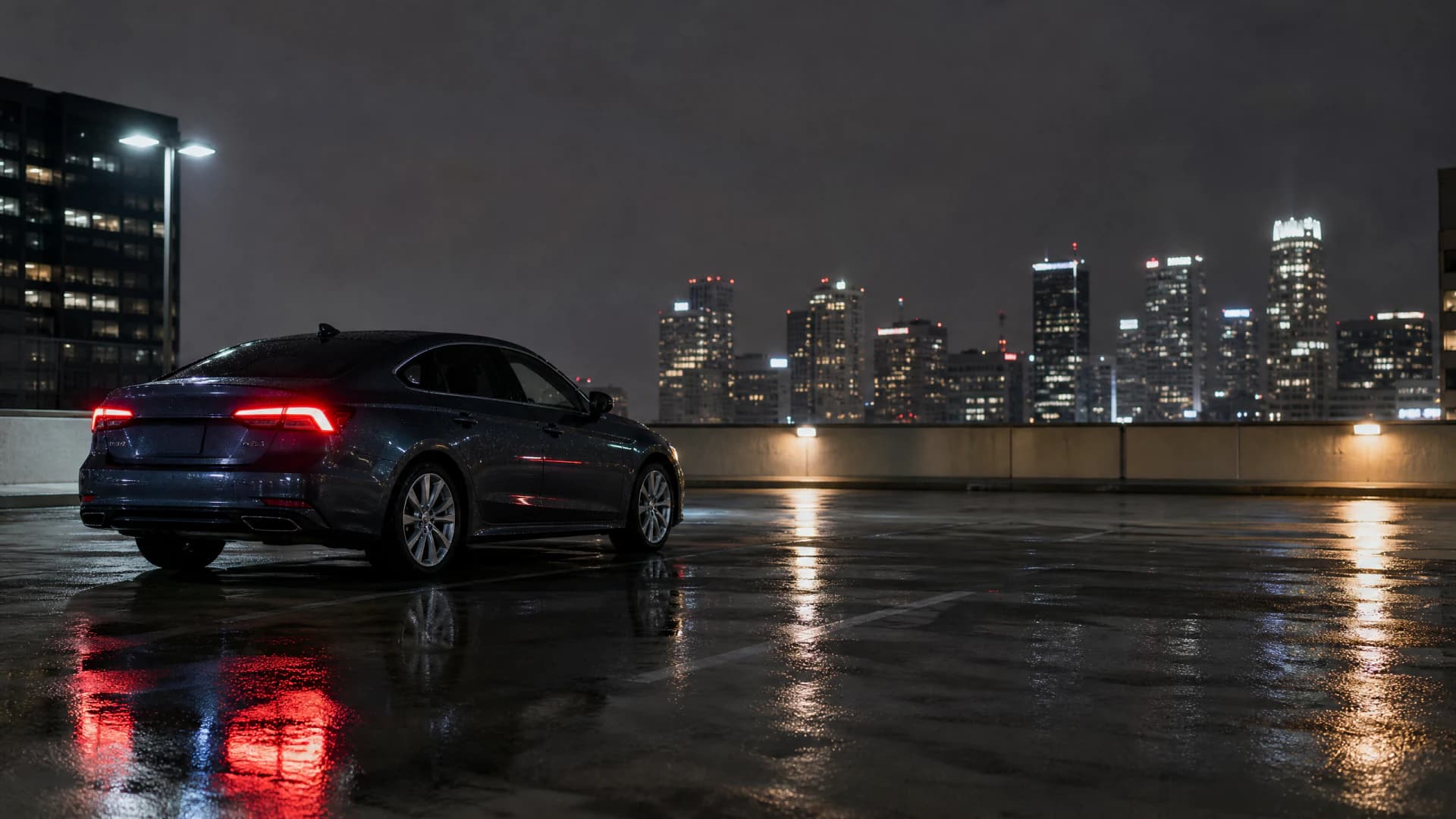
Delaware's 17.6% uninsured-motorist rate means one in six drivers you share the road with carries no coverage. Minimum liability protects them, not your vehicles.




How the Multi-Car Discount Works and When It Doesn't Apply
The multi-car discount requires every vehicle to sit on the same policy. A household with three cars split across two policies does not qualify, even if both policies are with the same carrier. Most carriers also require every vehicle to share a garaging address. A car garaged at a second address, a college student's vehicle parked out of state, or a vehicle titled to a household member living elsewhere typically does not count toward the discount.
Adding a vehicle mid-term re-rates the entire policy, not just the new car. The multi-car discount recalculates based on the new vehicle count, and the premium adjusts for the remainder of the term. Removing a vehicle works the same way: the discount shrinks, and the per-vehicle rate increases. A household that drops from three vehicles to two mid-term will see a higher per-vehicle premium than a household that started the term with two.
Some carriers apply the multi-car discount only when every vehicle carries the same coverage levels. A household insuring one car with full coverage and another with minimum liability may not qualify for the discount, or may receive a smaller discount than a household carrying identical coverage on every vehicle. Check the carrier's discount requirements before structuring coverage.
16
Licensed Auto Carriers in Delaware
The carrier count includes standard, non-standard, and preferred-tier insurers writing auto policies in Delaware. Not all write multi-vehicle policies, and not all offer the same discount structure. A household comparing quotes should request identical coverage from carriers in each tier to see which base-rate and discount combination produces the lowest total.
Delaware Division of Motor Vehicles carrier roster

Collision and Comprehensive: When Minimum Liability Isn't Enough
Delaware's minimum liability requirement covers damage you cause to another driver's vehicle or injuries to another person. It does not cover damage to your own vehicles. A household insuring two or three cars with minimum liability only is exposed to total loss if any vehicle is stolen, damaged in a collision where the other driver is uninsured, or hit while parked.
Collision coverage pays to repair or replace your vehicle after an accident, regardless of fault. Comprehensive covers theft, vandalism, weather damage, and animal strikes. Delaware's motor vehicle theft rate is 211.4 per 100,000 population, and 17.6% of drivers carry no insurance. A household with two financed vehicles or vehicles worth more than a few thousand dollars typically adds collision and comprehensive to avoid out-of-pocket replacement costs.
The decision is vehicle-specific. A household may carry full coverage on a newer financed car and minimum liability on an older paid-off vehicle. The multi-car discount still applies to the total premium, even when coverage levels differ across vehicles. Compare the cost of adding collision and comprehensive to each vehicle against the replacement value to decide which structure fits your household.
Compare Quotes with Identical Coverage Across Carriers
The only way to find the lowest multi-car premium for your household is to request quotes with identical coverage from multiple carriers. Specify the same liability limits, the same deductibles, the same optional coverages, and the same drivers on every quote. A comparison that mixes coverage levels or omits a driver produces quotes that cannot be compared accurately.
Request quotes from at least one carrier in each tier: a preferred-tier carrier if your household qualifies, a standard-tier carrier, and a non-standard carrier. The lowest combined premium often comes from a tier you did not expect. A household with one driver carrying points may find a non-standard carrier's multi-car rate lower than a standard carrier's surcharged premium. A household with clean records may find a preferred-tier carrier's base rate beats a standard carrier's advertised discount.
Next Step: Get Quotes for Your Household
You know Delaware's mandatory coverage requirements, you know which carriers write multi-vehicle policies, and you know the multi-car discount applies only when every vehicle sits on the same policy. The next step is to compare quotes with identical coverage across carriers in different tiers. Specify every vehicle, every driver, and every coverage level you want, and request the total household premium from each carrier. The lowest combined rate is the one that fits your household's structure, not the one with the biggest advertised discount.
Carriers Writing Multi-Car Policies in Delaware
Standard-tier carriers writing multi-car policies in Delaware include Geico, Progressive, State Farm, Nationwide, Travelers, Liberty Mutual, Farmers, and Hartford. Non-standard carriers include Dairyland, Direct Auto, The General, and National General. Preferred-tier carriers include USAA (military-affiliated households only), Amica, and CSAA (AAA members only). Each carrier calculates the multi-car discount differently: some apply a percentage reduction to the total premium, others reduce the per-vehicle base rate before adding coverages.
The carrier roster matters because a household with clean records may qualify for preferred-tier rates that beat standard-tier discounts, while a household with one driver carrying points or a recent violation may find the lowest combined premium with a non-standard carrier that writes higher-risk profiles without surcharging every vehicle on the policy. Compare quotes from at least three carriers in different tiers to see which discount structure and base-rate combination produces the lowest household total.
Get Your Free Quote
Get My Delaware Car Insurance QuoteFrequently Asked Questions
What is the cheapest car insurance in Delaware for two cars?
The cheapest combined premium for two cars in Delaware depends on your household's drivers, vehicles, and garaging address. Geico, Progressive, State Farm, and Dairyland write multi-car policies in Delaware, but the lowest rate varies by household. Request quotes with identical coverage from carriers in standard and non-standard tiers to compare total household premiums.
Does Delaware require insurance on every vehicle I own?
Yes. Delaware requires $25,000/$50,000/$10,000 liability and personal injury protection on every registered vehicle. A vehicle registered in Delaware without proof of insurance cannot be legally driven or parked on public roads.
Can I insure two cars on different policies and still get a multi-car discount?
No. The multi-car discount requires every vehicle to sit on the same policy. Two vehicles on separate policies do not qualify for the discount, even if both policies are with the same carrier.
How much does adding a second car to my Delaware policy cost?
Adding a second car re-rates your entire policy based on the new vehicle, its garaging address, and the multi-car discount. The cost depends on the vehicle's value, coverage levels, and whether the second car qualifies for the discount. Request a quote from your carrier with the second vehicle included to see the new total premium.
Do I need collision and comprehensive on both cars in Delaware?
Delaware does not require collision or comprehensive coverage. You need it if your vehicle is financed, leased, or worth enough that you cannot afford to replace it out of pocket. A household may carry full coverage on one vehicle and minimum liability on another.
Which Delaware carriers offer the best multi-car discount?
Carriers calculate the multi-car discount differently, and the best discount for your household depends on your base rate, drivers, and vehicles. Geico, Progressive, State Farm, Farmers, and Liberty Mutual write multi-car policies in Delaware. Compare quotes with identical coverage to see which carrier's discount structure produces the lowest total premium.
Can I add my teenager's car to my Delaware policy?
Yes, if the teenager lives in your household and the car is garaged at your address. Adding a teen driver and vehicle re-rates the entire policy. The multi-car discount applies to the total premium, but the teen driver's age and lack of driving history will increase the base rate.