
Allstate Multi-Car Insurance — Delaware
Free to compare
Does Allstate Write Multi-Car Policies in Delaware
Allstate writes multi-car policies in Delaware. The carrier is licensed in the state (NAIC 19232, AM Best A+ Superior rating) and offers standard-tier coverage for households insuring two or more vehicles on a single policy. Delaware requires $25,000 bodily injury per person, $50,000 per accident, $10,000 property damage, and personal injury protection — Allstate writes policies meeting these minimums and offers higher limits for households wanting more protection across multiple cars.
The multi-vehicle discount applies when every car sits on the same policy and shares the same garaging address. A vehicle titled to a household member on a separate policy does not qualify for the same-policy discount, and a car garaged at a second address typically requires its own policy or a separate garaging-address endorsement. Many households combining policies after marriage or adding a newly-purchased vehicle mid-term discover the discount structure only after the first renewal re-rates every car on the policy.
“A car titled to a household member on a different policy does not count toward the multi-vehicle discount.”

Meet Delaware's Requirements Without Overpaying
Get My Delaware Car Insurance Quote$25,000 / $50,000 / $10,000
Delaware Minimum Liability
Delaware requires $25,000 bodily injury per person, $50,000 per accident, and $10,000 property damage. Personal injury protection is mandatory. Every vehicle on your multi-car policy must carry at least these limits.
Delaware Division of Motor Vehicles
What the Multi-Vehicle Discount Actually Requires
The multi-vehicle discount requires every car to sit on one policy issued to one named insured at one garaging address. A household with three cars titled to the same person and garaged at the same address qualifies. A household with two cars titled to different spouses on separate policies before marriage does not qualify until both policies merge into one.
Adding a vehicle mid-term re-rates the entire policy rather than simply adding a flat amount. The carrier recalculates the premium for every car based on the new vehicle count, the new vehicle's characteristics, and the household's total risk profile. A third vehicle that is older or driven less may lower the per-car premium; a third vehicle that is newer or driven by a younger household member may raise it. The multi-vehicle discount applies to the recalculated total, not to the old premium plus the new car's cost.
A vehicle titled to someone outside the household — a college-age child living elsewhere, a parent who moved out, a roommate — typically cannot join the policy. The same-garaging-address requirement blocks it. Some carriers allow an exception for a student away at school if the student is a dependent and the car remains titled to the policyholder, but that exception is carrier-specific and requires documentation of the student's status and school address.
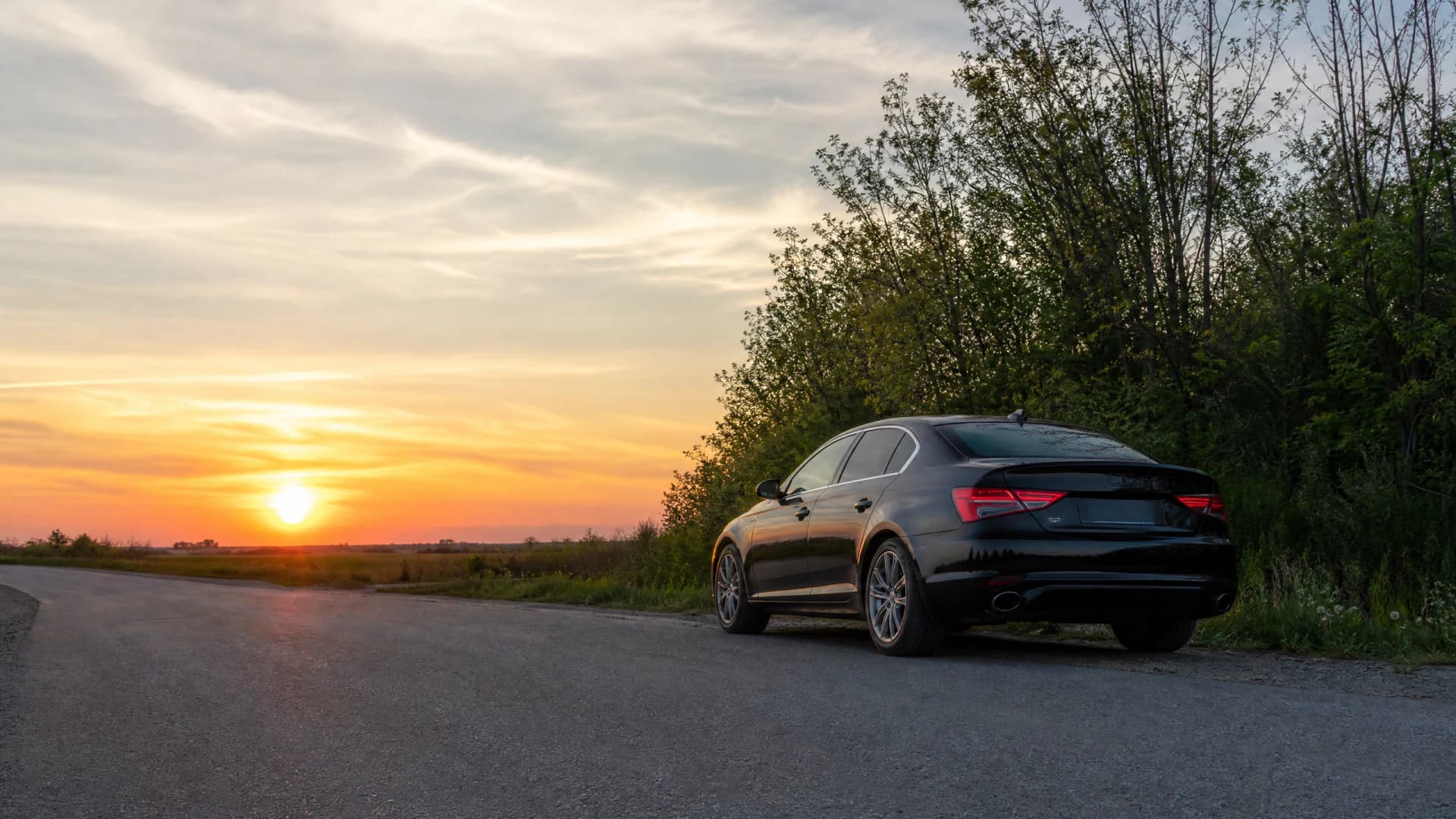
A car titled to a household member on a different policy does not count toward the multi-vehicle discount — the discount requires every vehicle on the same policy.






Combining Two Policies After Marriage or a Move
Two spouses with separate Allstate policies can combine them into one multi-car policy, but the process is not automatic. Each spouse must be added as a named insured on the combined policy, every vehicle must be retitled or the policy must list both spouses as insureds with an interest in all vehicles, and the garaging address must match for every car. If one spouse's car is garaged at a different address — a work parking lot, a second home, a parent's garage — that vehicle may need to remain on a separate policy.
Combining policies triggers a full re-rate. The carrier recalculates the premium based on both spouses' driving records, the combined vehicle count, the garaging address, and the household's total risk profile. A household with two clean records and two older vehicles will see a lower combined premium than the sum of the two separate policies. A household where one spouse has a recent violation or one vehicle is high-value may see a higher combined premium, even with the multi-vehicle discount applied.
The same-policy requirement means you cannot keep one spouse's policy separate to preserve a lower rate on that vehicle and still claim the multi-vehicle discount on the other policy. The discount applies only when every household vehicle sits on one policy. If combining policies raises the total premium, compare the combined-policy total against the sum of two separate policies without the discount to confirm which structure costs less.
17.6%
Delaware Uninsured Motorist Rate
17.6% of Delaware motorists drive uninsured. Uninsured motorist coverage is optional in Delaware but protects your household when an at-fault driver has no insurance. Consider adding it to your multi-car policy.
Insurance Research Council, 2023

What Happens When You Remove a Vehicle
Removing a vehicle from your Allstate multi-car policy triggers a re-rate just as adding one does. The carrier recalculates the premium for the remaining vehicles based on the new vehicle count and risk profile. The multi-vehicle discount still applies if at least two vehicles remain on the policy. Dropping to one vehicle removes the discount entirely and converts the policy to a single-car policy, which typically costs more per vehicle than the per-car rate on a multi-car policy.
If you sell a vehicle, total it in a claim, or transfer it to someone outside the household, notify Allstate immediately to remove it from the policy. Continuing to pay premium on a vehicle you no longer own wastes money, and leaving it on the policy when it is titled to someone else can create coverage disputes at claim time. If you are temporarily storing a vehicle and not driving it, ask whether Allstate offers a storage or laid-up endorsement that suspends liability and collision coverage while keeping comprehensive coverage active — this lowers the premium without removing the vehicle from the policy entirely.
Compare Allstate Against Other Delaware Carriers
Allstate is one of multiple carriers writing multi-car policies in Delaware. Geico, Progressive, State Farm, Nationwide, Farmers, Liberty Mutual, Travelers, and USAA all write standard-tier multi-car coverage in the state. Each carrier structures the multi-vehicle discount differently — some apply a percentage discount to each vehicle, others reduce the base rate when vehicle count crosses a threshold, and a few offer a flat discount per policy. A smaller discount on a lower base rate can beat a larger discount on a higher one, so compare the final premium across carriers rather than the discount percentage alone.
Request quotes from at least three carriers with the same coverage levels, deductibles, and vehicle details. Provide accurate information about every driver in the household, every vehicle's garaging address, and each driver's recent violation history — misrepresenting any of these can void coverage at claim time. Compare the total annual or monthly premium for the entire household, not the per-vehicle rate, because the multi-vehicle discount applies to the policy total.

Next Step: Get Multi-Car Quotes for Your Delaware Household
Gather the vehicle identification numbers, current odometer readings, and garaging addresses for every car you want to insure. List every household member who will drive any vehicle, along with their dates of birth and driver's license numbers. Pull your current declarations page to confirm your existing coverage levels and deductibles so you can request the same levels from competing carriers. Use the site's comparison tool to request quotes from multiple Delaware carriers writing multi-car policies, or contact Allstate and at least two other carriers directly to compare final premiums with the multi-vehicle discount applied.
How to Add a Vehicle to Your Allstate Policy
Most carriers allow a grace period of 14 to 30 days to add a newly-purchased vehicle to an existing policy before coverage lapses. Allstate's specific grace period is stated in your policy declarations page. Missing that window means the new car is uninsured, and a claim on an unreported vehicle can be denied. Call Allstate or log into your account to report the new vehicle as soon as you take possession — do not wait until the grace period expires.
You will need the vehicle identification number, the title showing registered owner, the purchase date, and the garaging address. If the new car will be garaged at a different address than the existing vehicles, the carrier may require a separate policy or a garaging-address endorsement. Select liability limits at least as high as your existing vehicles to avoid coverage gaps, and decide whether to add collision and comprehensive based on the vehicle's value and your deductible tolerance. The carrier re-rates the entire policy when the new vehicle is added, applying the multi-vehicle discount to the new total.
Get Your Free Quote
Get My Delaware Car Insurance QuoteFrequently Asked Questions
Does Allstate offer a multi-car discount in Delaware?
Yes. Allstate offers a multi-vehicle discount in Delaware when you insure two or more vehicles on the same policy at the same garaging address. The discount applies to the total policy premium after the carrier re-rates all vehicles together.
Can I add my spouse's car to my Allstate policy in Delaware?
Yes, if both vehicles are garaged at the same address and your spouse is added as a named insured on the policy. The carrier will re-rate the entire policy based on both drivers' records and both vehicles' characteristics, then apply the multi-vehicle discount to the new total.
How long do I have to add a newly-purchased car to my Allstate policy?
Most carriers allow 14 to 30 days. Allstate's specific grace period is stated in your policy declarations page. Adding the vehicle within that window extends your existing coverage to the new car; missing it leaves the new car uninsured.
What happens to my Allstate premium when I add a third vehicle?
The carrier re-rates the entire policy based on the new vehicle count, the new vehicle's characteristics, and your household's total risk profile. The multi-vehicle discount applies to the recalculated total. The final premium may go up or down depending on the new vehicle's value, age, and primary driver.
Can I insure a car garaged at a different address on my Allstate multi-car policy?
Typically no. The multi-vehicle discount requires every car to share the same garaging address. A vehicle garaged elsewhere usually needs its own policy or a separate garaging-address endorsement, which may remove it from the multi-vehicle discount calculation.