
Progressive Multi-Car Insurance — Delaware
Free to compare
Progressive Writes Delaware Multi-Car Policies
Progressive writes standard-tier multi-vehicle policies in Delaware and offers online quotes for households insuring two or more cars. The carrier holds NAIC company code 24260, group 155, and maintains an AM Best A+ rating per the May 1, 2026 affirmation. Progressive's Delaware operation includes multi-car discount eligibility when every vehicle sits on the same policy and shares a garaging address.
Delaware requires $25,000 bodily injury per person, $50,000 bodily injury per accident, $10,000 property damage, and mandatory personal injury protection on every vehicle. Progressive structures multi-car policies around these minimums, and adding a second or third vehicle to an existing policy re-rates the entire policy rather than simply adding a flat per-vehicle charge. The multi-car discount applies to the combined premium after re-rating, not to each vehicle individually.
“Delaware's mandatory PIP stacks per vehicle and discounts differently across carriers, making total-policy comparison more important than per-vehicle rates.”

Meet Delaware's Requirements Without Overpaying
Get My Delaware Car Insurance Quote17.6%
Delaware Uninsured Motorist Rate
Delaware's uninsured-motorist rate sits at 17.6% as of 2023, nearly one in six drivers. This rate makes uninsured-motorist coverage a critical decision for multi-car households, even though Delaware does not mandate it.
State insurance statistics, 2023
Multi-Car Discount Requires Same-Policy Structure
Progressive's multi-car discount applies only when every vehicle in the household sits on one policy. A vehicle titled to a household member on a separate policy does not count toward the same-policy requirement, even if both policies are with Progressive. Combining two existing Progressive policies after marriage or a household move triggers a full re-rate of both policies into one, and the combined premium may be higher or lower than the sum of the two originals depending on the vehicles, drivers, and garaging address.
Delaware's mandatory PIP requirement adds a per-vehicle charge that does not discount the same way liability coverage does. When you add a third or fourth vehicle to a Progressive policy, the PIP component stacks without the same proportional discount that applies to liability and collision coverage. This structure means a household with four vehicles may see diminishing marginal savings on the fourth car compared to the second.
Progressive allows online quote comparison for multi-vehicle households, and the quote tool re-rates the entire policy when you add or remove a vehicle. The tool does not show per-vehicle breakdowns; it shows the total policy premium after the multi-car discount is applied. To compare whether Progressive's structure beats another carrier for your household, you need quotes from at least two carriers writing Delaware multi-car policies with identical coverage selections.
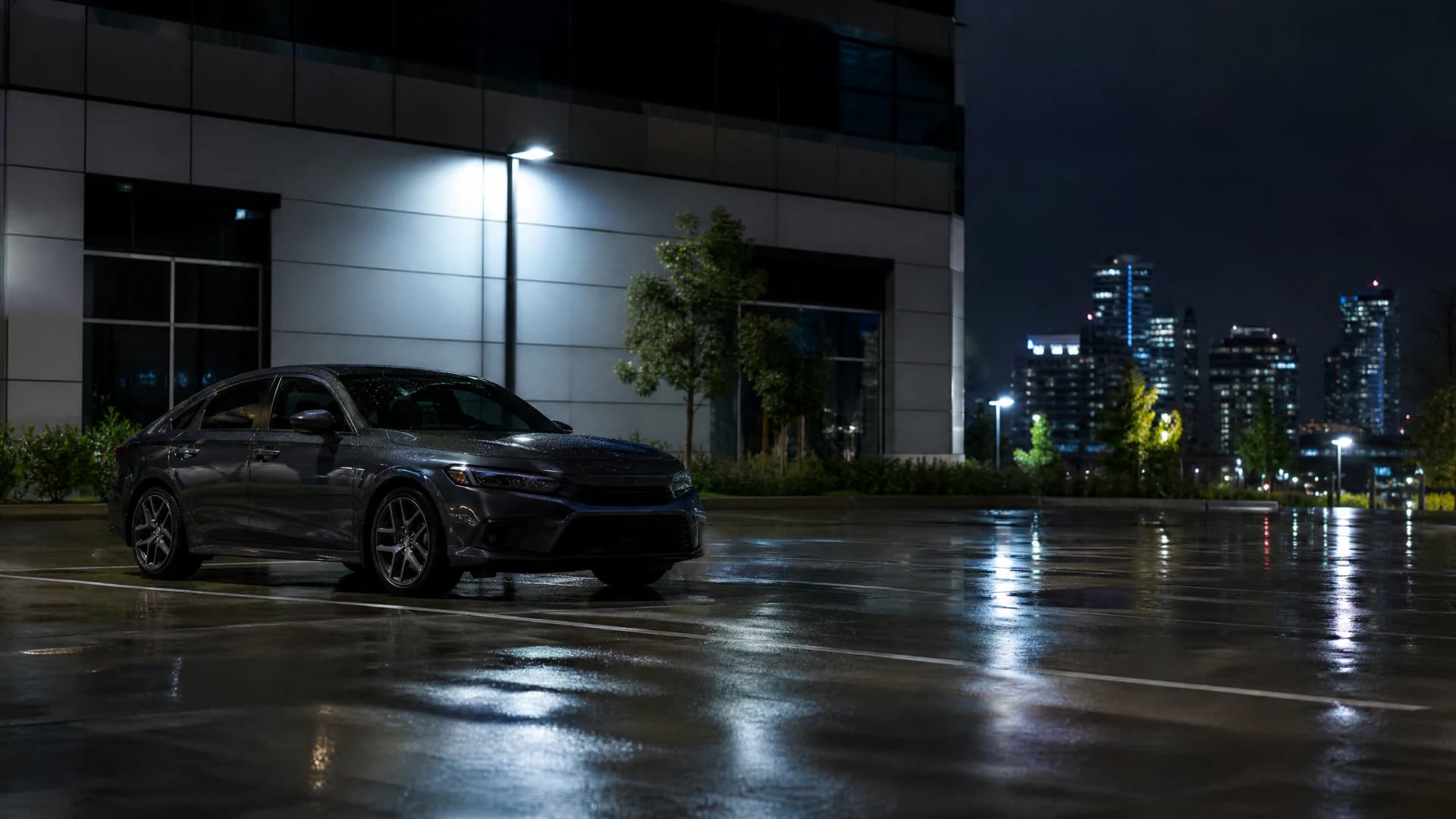
Delaware's 17.6% uninsured rate and mandatory PIP make carrier-by-carrier policy structure more important than advertised discount percentages when comparing multi-car options.
Related Articles

Best Car Insurance for Multiple Vehicles DE
7/15/2026

Progressive Multi-Car Insurance Delaware
7/15/2026

Choosing Multi-Car Insurance in Delaware
7/15/2026
Cheapest Car Insurance Companies in Delaware
7/15/2026
Full Coverage Carriers Delaware Multi-Car
7/15/2026

Full Coverage Companies Delaware Multi-Car
7/15/2026

Adding a Vehicle Mid-Term Re-Rates the Policy
When you buy a second or third car and add it to an existing Progressive policy mid-term, the entire policy re-rates immediately. The new vehicle's liability, collision, comprehensive, and PIP coverage are priced based on the vehicle's value, your driving record, and the garaging address, and the multi-car discount recalculates across all vehicles. The re-rated premium applies from the date you add the vehicle, and Progressive pro-rates the additional premium across the remaining term.
Delaware law does not specify a grace period for adding a newly-purchased vehicle to an existing policy, but most carriers including Progressive extend a short window—typically 14 to 30 days—during which a new vehicle is covered under the existing policy's liability limits. After that window, an unreported vehicle can be denied at claim time. Progressive requires notification within the grace period to maintain continuous coverage and apply the multi-car discount to the new vehicle.
If you add a vehicle mid-term and the re-rated premium exceeds your budget, you can adjust coverage on the new vehicle—raising the collision or comprehensive deductible, or dropping collision entirely if the vehicle's value is low—and the policy re-rates again. The multi-car discount still applies, but the total premium reflects the lower coverage selection. Progressive's online account portal allows mid-term coverage adjustments, and the system recalculates the premium immediately.
14 carriers
Delaware Multi-Car Carriers
Fourteen carriers write multi-vehicle policies in Delaware, including Progressive, Geico, State Farm, Allstate, Nationwide, Farmers, USAA, Travelers, Liberty Mutual, Hartford, Amica, National General, and two non-standard carriers. Each structures the multi-car discount and mandatory PIP pricing differently.
Delaware carrier roster, 2026

Combining Policies After Marriage or Household Change
When two household members each have a separate Progressive policy and want to combine them into one multi-car policy, Progressive re-rates both policies into a single policy with all vehicles and drivers listed. The combined premium is not the sum of the two original premiums; it is a new rate calculated from scratch based on the combined household profile, and the multi-car discount applies to the new policy. Delaware's mandatory PIP requirement means every vehicle on the combined policy carries PIP, and the PIP component does not discount as steeply as liability coverage.
If one spouse has a clean driving record and the other has a recent violation, combining policies may raise the total premium compared to keeping them separate, because the violation affects the entire household policy. Progressive rates the combined policy based on the highest-risk driver, and Delaware's fault-based system means a DUI or at-fault accident on one driver's record raises the premium for every vehicle on the policy. In this scenario, keeping policies separate until the violation ages off may produce a lower combined cost, even without the multi-car discount.
Compare Progressive Against Delaware's Multi-Car Carrier Roster
Progressive's multi-car discount and online quote process make it a strong option for Delaware households insuring two or more vehicles, but the carrier's structure is not universally the lowest cost. State Farm, Geico, and USAA all write Delaware multi-car policies with different PIP pricing and discount mechanics, and a household with three or four vehicles should compare quotes from at least two carriers before committing. Delaware's 17.6% uninsured-motorist rate and mandatory PIP make the comparison more complex than in states without PIP mandates, because the PIP component stacks per vehicle and discounts differently across carriers.
Use Delaware Car Insurance Requirements' comparison tool to request quotes from Progressive and at least one other carrier writing your household's vehicles. Enter identical coverage selections—liability limits, collision and comprehensive deductibles, uninsured-motorist coverage—and compare the total policy premium after the multi-car discount is applied. The carrier with the lowest per-vehicle rate may not produce the lowest total premium once the multi-car discount and PIP pricing are factored in.
Progressive Versus Other Delaware Multi-Car Carriers
Progressive competes directly with Geico, State Farm, Allstate, Nationwide, and Farmers in Delaware's standard-tier multi-car market. Geico and Progressive both offer online quotes and write non-owner policies in addition to multi-vehicle coverage. State Farm writes preferred-tier multi-car policies and maintains the largest agency network in Delaware, but does not offer the same online quote immediacy Progressive provides. Allstate and Farmers write standard-tier multi-car policies with agency-based quoting, and both carriers write after-DUI coverage, which matters for households where one driver has a violation.
Delaware's mandatory PIP requirement means every carrier writing the state must price PIP into every vehicle on the policy. Progressive's PIP pricing structure differs from State Farm's and Geico's, and the difference compounds when you add a third or fourth vehicle. A household with three cars may find Progressive's combined premium lower than Geico's even if Geico's per-vehicle rate appears lower, because the multi-car discount applies differently to the PIP component. The only way to know which carrier's structure wins for your household is to compare quotes with identical coverage selections across at least two carriers.
Get Your Free Quote
Get My Delaware Car Insurance QuoteFrequently Asked Questions
Does Progressive offer a multi-car discount in Delaware?
Yes. Progressive writes multi-vehicle policies in Delaware and applies a multi-car discount when every vehicle sits on the same policy and shares a garaging address. The discount applies to the combined premium after the policy re-rates with all vehicles included.
How many vehicles can I insure on one Progressive policy in Delaware?
Progressive allows multiple vehicles on one policy in Delaware, typically up to four or five vehicles depending on household composition and garaging address. Each vehicle must meet Delaware's $25,000/$50,000/$10,000 liability minimums and carry mandatory personal injury protection.
Does adding a third car to my Progressive policy lower the per-vehicle rate?
Adding a third vehicle re-rates the entire policy and applies the multi-car discount to the combined premium, but the per-vehicle rate may not drop proportionally because Delaware's mandatory PIP stacks per vehicle and discounts less steeply than liability coverage. The total premium increases, but the marginal cost of the third vehicle is typically lower than the first.
Can I combine two separate Progressive policies into one multi-car policy in Delaware?
Yes. Progressive re-rates both policies into one when you combine them, and the multi-car discount applies to the new combined policy. The combined premium is not the sum of the two originals; it is a new rate based on the combined household profile, and a violation on one driver's record affects the entire policy.
Which Delaware carriers compete with Progressive for multi-car policies?
Geico, State Farm, Allstate, Nationwide, Farmers, USAA, Travelers, Liberty Mutual, Hartford, Amica, and National General all write multi-vehicle policies in Delaware. Each structures the multi-car discount and mandatory PIP pricing differently, and comparing quotes from at least two carriers is the only way to determine which produces the lowest total premium for your household.