
How Moving to Delaware Affects Your Car Insurance Rate
Free to compare
Your Multi-Car Policy Re-Rates When You Report the Move
You moved to Delaware with two or three cars on one policy. Your current carrier covers all of them under your previous state's rules. The moment you report the Delaware address, the carrier re-rates the entire policy under Delaware's minimum coverage requirements, not just the vehicle you drive most. That re-rating applies to every car on the policy simultaneously.
Delaware requires $25,000 bodily injury per person, $50,000 per accident, $10,000 property damage, and mandatory personal injury protection. If your previous state did not mandate PIP or carried lower liability minimums, every vehicle on your policy now carries higher base coverage. The carrier recalculates the premium for the household, not for one car in isolation.
“Reporting the Delaware address re-rates every vehicle on your policy under Delaware's mandatory PIP and 25/50/10 minimums simultaneously.”

Meet Delaware's Requirements Without Overpaying
Get My Delaware Car Insurance Quote$25,000 / $50,000 / $10,000
Delaware Minimum Liability Limits
Delaware requires $25,000 bodily injury coverage per person, $50,000 per accident, and $10,000 property damage. Personal injury protection is mandatory on top of these minimums.
Delaware Division of Motor Vehicles
Delaware Adds Mandatory PIP to Every Vehicle
Personal injury protection is not optional in Delaware. Every vehicle on your policy must carry PIP, which covers medical expenses and lost wages for you and your passengers regardless of fault. If your previous state did not require PIP, this is new base coverage that increases the premium for each car.
The multi-car discount still applies, but it applies to a higher base premium because every vehicle now carries liability plus PIP. A household with three cars sees the PIP requirement multiply across all three vehicles. The discount reduces the total, but the starting point is higher than it was in a state without mandatory PIP.
Uninsured motorist coverage is not required in Delaware, but 17.6% of Delaware drivers are uninsured. Carriers often quote UM coverage alongside the mandatory minimums. If you decline it, the carrier documents that refusal. If you accept it, it adds to the per-vehicle cost on top of the mandatory PIP.
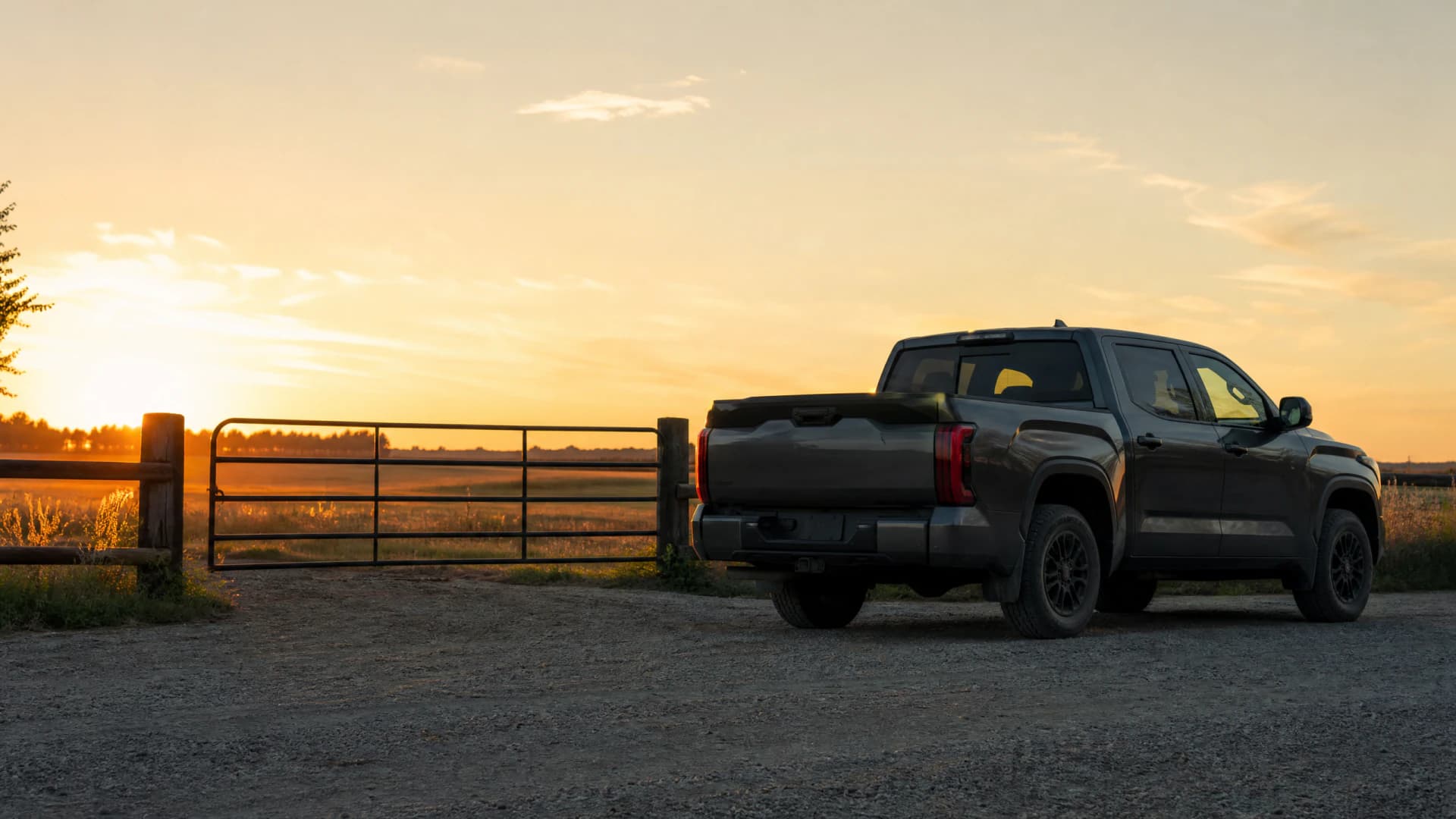
Reporting the Delaware address re-rates every vehicle on your policy under Delaware's mandatory PIP and 25/50/10 minimums, not just the car you register first.
Related Articles






The Multi-Car Discount Applies to the New Base Premium
The multi-car discount reduces the combined premium for insuring multiple vehicles on one policy. In Delaware, that discount applies after the carrier calculates the base premium under Delaware's mandatory minimums. If your previous state required 20/40/10 with no PIP and Delaware requires 25/50/10 plus PIP, the base premium for each vehicle is higher before the discount applies.
A smaller discount on a higher base can still produce a lower combined premium than separate policies, but the math changes when the base shifts. Some households see a net increase even with the multi-car discount intact. The discount percentage does not change, but the dollar amount it saves depends on the base premium, which is now higher.
Carriers writing multi-car policies in Delaware include Allstate, Geico, Progressive, State Farm, Farmers, Liberty Mutual, Nationwide, Travelers, and USAA. Each applies its own multi-car discount structure. Comparing carriers after the move is the only way to see which one produces the lowest combined premium under Delaware's requirements for your household's vehicles.
$1,462.03
Delaware Average Annual Auto Expenditure Per Vehicle
The average annual auto insurance expenditure per insured vehicle in Delaware was $1,462.03 in 2023. This figure reflects the cost of meeting Delaware's mandatory coverage requirements across all driver profiles.
NAIC Auto Insurance Database Report 2023

Register Every Vehicle Within Delaware's Window
Delaware requires you to register each vehicle and obtain a Delaware title within a specific period after establishing residency. The carrier's address-change requirement and the state's registration deadline are separate. Missing the state's registration window can result in fines and registration delays that prevent you from legally driving any of your vehicles.
When you register the first vehicle, the Delaware DMV requires proof of insurance that meets the state's minimums. That proof must show coverage for the vehicle you are registering. If your carrier has not yet re-rated the policy under Delaware law, the proof-of-insurance document may not satisfy the DMV. Call your carrier before you go to the DMV to confirm that the policy reflects the Delaware address and Delaware minimums.
Compare Carriers After the Re-Rate
Once your current carrier re-rates the policy under Delaware's requirements, you have a baseline combined premium for all your vehicles. That baseline is the number to beat. Request quotes from other carriers writing multi-car policies in Delaware and compare the combined premium for the same coverage on all your vehicles. The carrier that produced the lowest rate in your previous state may not produce the lowest rate in Delaware.
Delaware-licensed carriers writing multi-car policies include Allstate, Geico, Progressive, State Farm, Farmers, Liberty Mutual, Nationwide, Travelers, and USAA. Each carrier applies its own rating factors to Delaware's mandatory minimums. A household with three vehicles in a high-theft ZIP may see a different carrier rank than a household with two vehicles in a low-density county. The only way to know is to compare quotes with the Delaware address and vehicle count entered accurately.
How the Address Change Triggers the Re-Rate
When you report the Delaware address, the carrier pulls Delaware's minimum coverage requirements and applies them to every vehicle on your policy. The system does not re-rate one car and leave the others under the old state's rules. The policy is a single contract covering multiple vehicles, and the contract now operates under Delaware law. If your previous state required lower liability limits and no PIP, the premium for every vehicle increases to meet Delaware's higher base.
The carrier may also adjust the premium based on Delaware-specific rating factors: your new ZIP code's claim frequency, theft rate, and traffic density. Delaware has 211.4 motor vehicle thefts per 100,000 population and 1.39 traffic fatalities per 100 million vehicle miles traveled. If your new address sits in a higher-risk ZIP than your previous one, the re-rate reflects that on top of the coverage-structure change.
Get Your Free Quote
Get My Delaware Car Insurance QuoteFrequently Asked Questions
Do I have to report my Delaware address to my car insurance carrier immediately?
Most carriers require you to report an address change within 30 days. Failing to report the move can void coverage if you file a claim after the deadline. Call your carrier as soon as you establish residency to trigger the re-rate under Delaware law.
Does Delaware require personal injury protection on every car I own?
Yes. Delaware mandates PIP on every insured vehicle. If your previous state did not require PIP, every car on your multi-car policy now carries this additional coverage, which increases the base premium before any multi-car discount applies.
Will my multi-car discount transfer when I move to Delaware?
The multi-car discount remains in effect, but it applies to a new base premium calculated under Delaware's mandatory minimums. If Delaware's requirements are higher than your previous state's, the combined premium may increase even with the discount intact.
Can I keep my out-of-state car insurance after moving to Delaware?
No. Delaware requires you to carry a policy that meets Delaware's minimum coverage requirements once you establish residency. Your carrier will re-rate the policy under Delaware law when you report the address change, or you must switch to a Delaware-licensed carrier.
How do I prove insurance when registering my cars in Delaware?
The Delaware DMV requires proof of insurance that meets the state's 25/50/10 liability minimums plus PIP for each vehicle you register. Your carrier provides this proof once the policy reflects the Delaware address and Delaware coverage requirements.
Does moving to a different ZIP code in Delaware change my rate?
Yes. Carriers rate policies based on the garaging address's claim frequency, theft rate, and traffic density. Moving from a low-density county to a high-theft ZIP within Delaware can increase the premium for every vehicle on your policy.