
Car Insurance Coverage Needs — Delaware
Free to compare
The Multi-Vehicle Coverage Question Delaware Drivers Face
You own two or more vehicles in Delaware, and you're trying to figure out whether the state's minimum liability requirement is enough or whether you need full coverage on every car. The answer depends on what you're trying to protect: the state's $25,000 per person, $50,000 per accident bodily injury, and $10,000 property damage minimum covers only what you damage in a crash—other people's injuries and property. It does nothing for your own vehicles.
Delaware also mandates personal injury protection coverage, which pays your own medical bills regardless of fault, but PIP still leaves your vehicles unprotected. For a household managing multiple cars—different values, different drivers, different usage patterns—the coverage decision is structural, not just a budget question. This article walks through what Delaware actually requires, what that requirement leaves uncovered, and how to structure coverage across your household's vehicles.
“Liability-only coverage on multiple vehicles means every car in your household is unprotected against theft, weather, and your own at-fault crashes.”

Meet Delaware's Requirements Without Overpaying
Get My Delaware Car Insurance Quote$25,000 / $50,000 / $10,000
Delaware Liability Minimum
Delaware requires $25,000 bodily injury per person, $50,000 per accident, and $10,000 property damage. This covers only damage you cause to others—not your own vehicles or their occupants beyond PIP.
Delaware Division of Motor Vehicles
What Delaware's Minimum Liability Actually Covers
Delaware's 25/50/10 liability requirement exists to ensure you can pay for damage you cause. The $25,000 per person limit covers one injured person's medical bills, lost wages, and pain-and-suffering claims up to that amount. The $50,000 per accident cap is the total available for all injured people combined in a single crash. The $10,000 property damage limit covers the other driver's vehicle, fence, mailbox, or building you hit.
Personal injury protection is mandatory in Delaware and covers your own medical expenses and lost wages after a crash, regardless of who caused it. PIP does not cover vehicle damage. If you hit a parked car and total your own vehicle, liability pays for the parked car and PIP pays your medical bills, but nothing pays to replace your car unless you carry collision coverage.
Delaware does not require uninsured motorist coverage, though carriers must offer it. With 17.6% of Delaware motorists uninsured as of 2023, that optional coverage becomes relevant when an uninsured driver hits you and your liability-only policy leaves you with no way to recover your own vehicle damage.
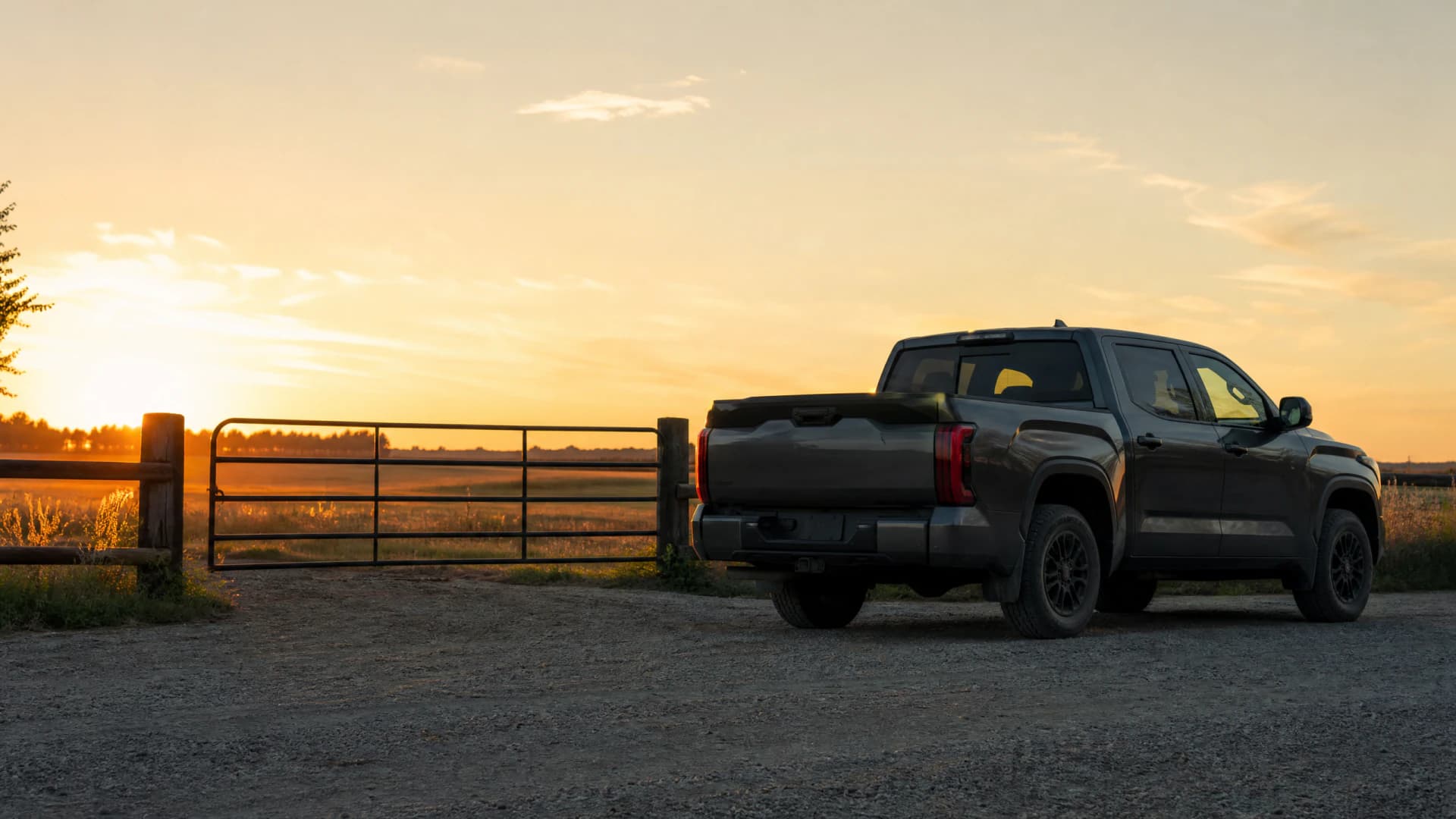
Liability-only coverage on multiple vehicles means every car in your household is unprotected against theft, weather, vandalism, and your own at-fault crashes.
Related Articles
Best Car Insurance for Multiple Vehicles DE
7/15/2026

Minimum vs Full Coverage for Multiple Cars
7/15/2026

Liability vs Full Coverage in Delaware
7/15/2026
Liability vs Full Coverage Delaware Multi-Car
7/15/2026

Full Coverage Carriers Delaware Multi-Car
7/15/2026

Full Coverage Companies Delaware Multi-Car
7/15/2026

How Multi-Car Policies Structure Coverage
A multi-car policy in Delaware lists every vehicle on one policy document and applies the same liability, PIP, and uninsured-motorist limits to all of them. Collision and comprehensive are per-vehicle elections—you choose separately for each car. One vehicle can carry full coverage while another carries liability-only, all on the same policy.
The multi-car discount applies when every vehicle sits on the same policy. Carriers price the discount into the base premium, not as a line-item reduction, so the savings appear as a lower per-vehicle rate compared to insuring each car separately. The discount does not apply when household vehicles sit on separate policies, even if the same carrier writes both.
Adding or removing a vehicle mid-term re-rates the entire policy. The carrier recalculates the multi-car discount, re-applies territory and garaging factors, and adjusts the premium for the new vehicle count. A third vehicle added mid-term does not simply add a flat amount—it changes the rate structure for all three cars.
$1,462.03
Delaware Annual Auto Expenditure Per Vehicle
Delaware drivers spent an average of $1,462.03 per insured vehicle annually in 2023. Households with multiple vehicles on one policy typically pay less per vehicle than that average due to the multi-car discount.
NAIC Auto Insurance Database Report 2023

Structuring Coverage for Different Vehicle Roles
A household's vehicles rarely play identical roles. One car is the primary commuter, another is the weekend errand vehicle, a third is the teen's hand-me-down. Each role suggests a different coverage structure. The high-mileage commuter car faces the highest crash exposure and benefits most from collision coverage. The rarely-driven third car may justify liability and comprehensive only, skipping collision to avoid paying for coverage that protects against a low-probability event.
Financed vehicles require full coverage by contract, so the coverage decision is already made. Once a vehicle is paid off, the collision-coverage question becomes economic: does the annual collision premium justify the potential payout after the deductible? For a ten-year-old car worth a few thousand dollars, a collision payout minus a $500 or $1,000 deductible may not cover more than one or two years of collision premiums. Many households drop collision on older paid-off vehicles and bank the premium savings.
Compare Carriers That Write Multi-Vehicle Policies in Delaware
Delaware's carrier market includes national writers and regional specialists. Allstate, Geico, Progressive, State Farm, Farmers, Nationwide, and Travelers all write multi-vehicle policies in Delaware. Dairyland, Direct Auto, The General, and National General specialize in non-standard and higher-risk drivers. USAA serves military families. Root and Liberty Mutual write standard and preferred-tier households.
Each carrier prices the multi-car discount differently and applies different territory, vehicle, and driver factors. A household with three vehicles, two adult drivers, and one teen will see widely different premiums across carriers even when quoting identical coverage. The only way to find the lowest rate for your household's specific vehicle mix is to compare quotes from multiple carriers writing your coverage profile. Delaware does not regulate premium rates directly, so carrier-to-carrier variation is significant.
Full Coverage Across Multiple Vehicles
For a household with multiple cars, the full-coverage decision is vehicle-specific, not household-wide. A financed or leased vehicle requires collision and comprehensive by contract—the lender protects its collateral. An older paid-off car with low market value may not justify the collision premium, especially when a total-loss payout would be small. A newer vehicle driven daily by a teen or high-mileage commuter carries higher crash risk and benefits more from collision coverage than a rarely-driven third car.
Comprehensive coverage costs less than collision and protects against non-crash loss. Delaware's vehicle theft rate of 211.4 per 100,000 population in 2024 means theft is a real risk, particularly in higher-density areas. Comprehensive also covers hail, flood, and windshield damage—weather events that can total a vehicle or require expensive glass replacement. Many households carry comprehensive on every vehicle and collision only on the cars where a total-loss payout would matter.
Get Your Free Quote
Get My Delaware Car Insurance QuoteFrequently Asked Questions
Does Delaware require full coverage on all vehicles?
No. Delaware requires only liability and personal injury protection. Full coverage—collision and comprehensive—is required by lenders on financed or leased vehicles, but the state does not mandate it. You can legally drive with liability-only coverage on a paid-off car.
Can I carry different coverage on each vehicle on a multi-car policy?
Yes. A multi-car policy applies the same liability and PIP limits to all vehicles, but collision and comprehensive are per-vehicle elections. One car can carry full coverage while another carries liability-only, all on the same policy.
What is the multi-car discount in Delaware?
The multi-car discount is a rate reduction carriers apply when you insure two or more vehicles on the same policy. The discount is built into the per-vehicle premium, not shown as a separate line item. Exact savings vary by carrier.
Do I need uninsured motorist coverage in Delaware?
Delaware does not require uninsured motorist coverage, but carriers must offer it. With 17.6% of Delaware drivers uninsured as of 2023, uninsured motorist coverage protects you when an uninsured driver causes a crash and you have no other way to recover vehicle damage or medical costs.
Should I drop collision on an older paid-off car?
It depends on the vehicle's value and your deductible. If the car is worth a few thousand dollars and your collision deductible is $500 or $1,000, a total-loss payout may not justify the annual collision premium. Many households drop collision on older vehicles and carry only liability and comprehensive.
How does adding a third vehicle change my premium?
Adding a vehicle mid-term re-rates the entire policy. The carrier recalculates the multi-car discount, re-applies territory and garaging factors, and adjusts the premium for the new vehicle count. The new vehicle does not simply add a flat amount—it changes the rate structure for all vehicles on the policy.