
Liability Coverage Limits — Delaware
Free to compare
The Multi-Car Liability Question
You insure two or three cars on one Delaware policy, you meet the state's $25,000 per person / $50,000 per accident / $10,000 property damage minimum, and you're asking whether that $50,000 per-accident bodily injury cap protects you when one crash involves multiple injured parties. The short answer: it does not. The $50,000 cap applies to the entire accident regardless of how many vehicles you own, and a single at-fault collision can exhaust that limit in minutes.
Delaware's minimum liability structure was written for individual drivers, not households managing multiple vehicles. When you add a second or third car to your policy, the per-accident cap stays fixed. That creates a structural gap: your household's total asset exposure grows with each vehicle, but the liability ceiling protecting those assets does not.
“The $50,000 per-accident cap does not multiply when you add vehicles; one serious crash exhausts the limit regardless of how many cars you own.”

Meet Delaware's Requirements Without Overpaying
Get My Delaware Car Insurance Quote$50,000
Delaware Per-Accident Bodily Injury Cap
The $50,000 per-accident limit is the total your policy pays for all bodily injury claims in one crash, regardless of how many people are injured or how many vehicles you own. Once that cap is reached, your personal assets cover the remainder.
Delaware state minimum liability requirements
What the State Minimum Actually Covers
Delaware requires $25,000 bodily injury per person, $50,000 bodily injury per accident, and $10,000 property damage. The per-person limit caps what your policy pays to any single injured party. The per-accident limit caps the total your policy pays for all bodily injury claims combined in one crash. The property damage limit covers the other driver's vehicle and any property you damage.
These minimums satisfy the state's proof-of-insurance requirement and let you register your vehicles. They do not, however, align with the cost of a serious crash. Your policy pays the first $50,000. You pay the rest, out of pocket, from savings, home equity, or garnished wages.
The structural problem for multi-car households: adding a second or third vehicle increases your household's on-road exposure — more miles driven, more drivers, more collision opportunities — but the per-accident liability cap remains $50,000. Your risk grows; your protection does not.
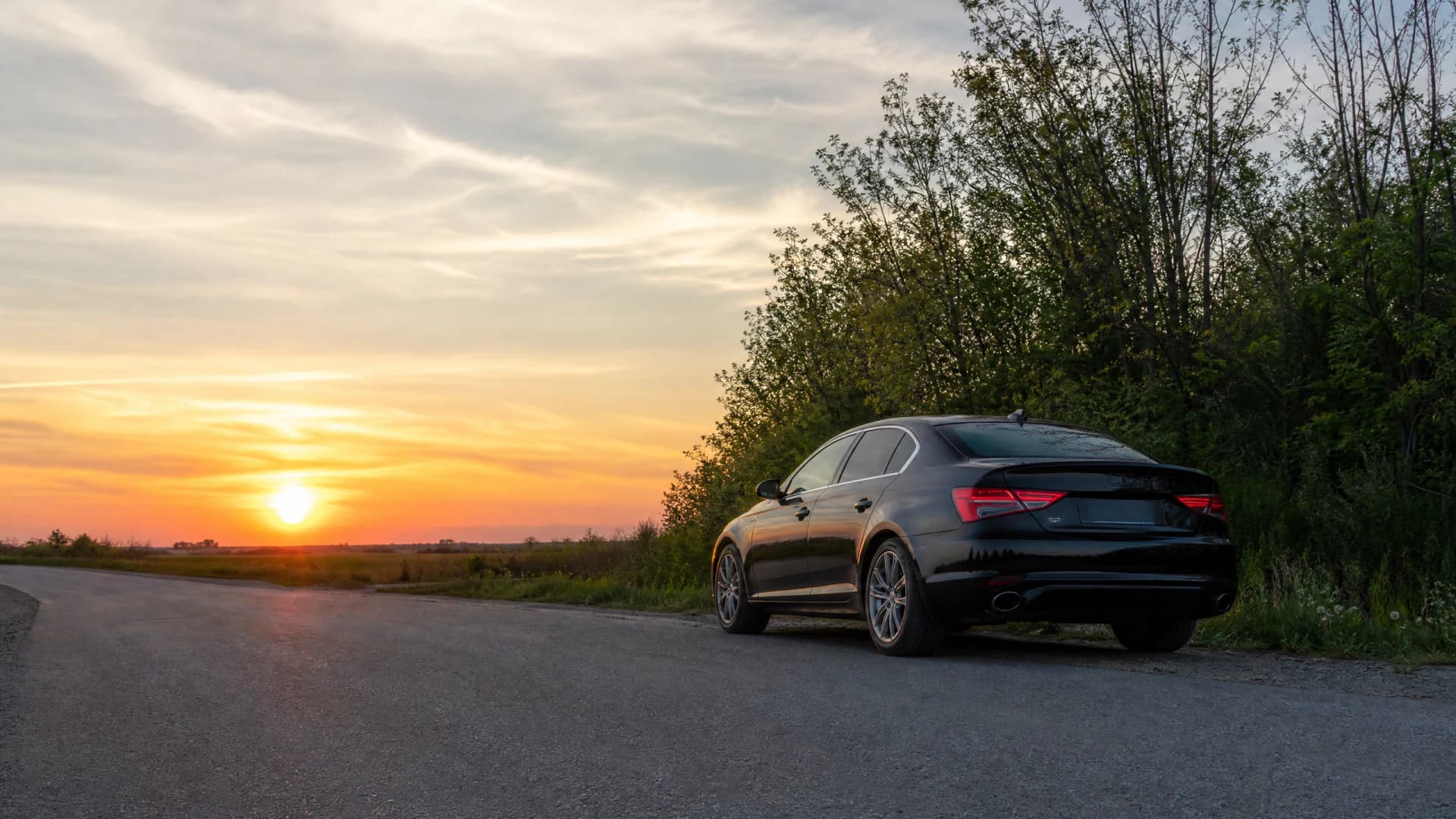
The $50,000 per-accident cap does not multiply when you add vehicles. One serious crash exhausts the limit regardless of how many cars you own.
Related Articles


When the Minimum Makes Sense and When It Does Not
The state minimum works for drivers with minimal assets, older vehicles worth less than the property damage cap, and no home equity or savings a creditor could pursue. If your household owns no real property, carries no significant savings, and drives vehicles worth under $10,000, the minimum liability tier keeps you legal and limits your out-of-pocket premium.
The minimum does not work for households with two or more vehicles, home equity, retirement accounts, or any asset a judgment creditor could reach. Delaware is a tort state: the at-fault driver pays. When your liability limit is exhausted, the injured party can sue you personally and collect from your bank accounts, wages, and property.
Most carriers writing multi-car policies in Delaware offer 100/300/100 as the next tier above the state minimum. The premium difference between 25/50/10 and 100/300/100 is smaller than most drivers expect, especially when the multi-car discount applies to the higher-limit policy. Compare both tiers before defaulting to the minimum.
17.6%
Delaware Uninsured Motorist Rate
Nearly one in six Delaware drivers carries no insurance. When an uninsured driver hits you, your uninsured motorist coverage pays your medical bills and lost wages up to your selected limit. The state does not require uninsured motorist coverage, but it is the only protection against uninsured at-fault drivers.
Insurance Research Council, 2023

Uninsured Motorist Coverage and Multi-Car Policies
Delaware does not mandate uninsured motorist coverage, but 17.6% of Delaware drivers carry no insurance. When an uninsured driver causes a crash, your liability coverage does not help you — it only pays claims you cause. Uninsured motorist coverage pays your medical bills, lost wages, and pain-and-suffering damages when the at-fault driver has no insurance or insufficient coverage.
For multi-car households, uninsured motorist coverage should match your liability limits. If you carry 100/300/100 liability, select 100/300 uninsured motorist. That alignment ensures you receive the same protection whether the at-fault driver is insured or not. Underinsured motorist coverage, which pays when the at-fault driver's liability limit is too low to cover your damages, is equally important and is typically bundled with uninsured motorist as a single coverage selection.
Compare Carriers and Coverage Tiers Now
Delaware's minimum liability requirement is a legal floor, not a coverage recommendation. Multi-car households need per-accident caps that align with their asset exposure and the increased on-road risk multiple vehicles create. Compare 100/300/100 and 250/500/100 tiers across carriers writing Delaware multi-car policies. Add uninsured motorist coverage at the same limits. The premium difference is smaller than the asset-protection gap the state minimum leaves open, and one serious crash makes the higher limit the cheapest coverage decision you ever made.
How Higher Liability Limits Protect Multi-Car Households
That structure covers most serious crashes without touching your personal assets. For households with two or more vehicles, this tier aligns liability protection with the increased on-road exposure multiple cars create.
The higher cap protects those assets from post-judgment collection.
Get Your Free Quote
Get My Delaware Car Insurance QuoteFrequently Asked Questions
Does Delaware require higher liability limits for multi-car policies?
No. Delaware requires the same $25,000 per person / $50,000 per accident / $10,000 property damage minimum regardless of how many vehicles you insure. The per-accident cap does not increase when you add cars, which leaves multi-car households structurally underinsured if they carry only the state minimum.
What happens if I cause a crash that exceeds my liability limit?
You pay the excess out of pocket. Delaware allows injured parties to sue you personally and collect from your wages, bank accounts, and property.
Should I match my uninsured motorist coverage to my liability limits?
Yes. If you carry 100/300/100 liability, select 100/300 uninsured motorist. That alignment ensures you receive the same protection whether the at-fault driver is insured or not. With 17.6% of Delaware drivers uninsured, uninsured motorist coverage is critical for multi-car households.
How much does it cost to raise liability limits from 25/50/10 to 100/300/100?
The premium increase varies by carrier, driving history, and location, but the difference is typically smaller than drivers expect. Compare both tiers across carriers writing Delaware multi-car policies to see the actual cost difference for your household.
Can I carry different liability limits on different vehicles on the same policy?
No. Liability limits apply per policy, not per vehicle. Every car on your Delaware policy is covered by the same bodily injury and property damage limits you select. If you need different limits for different vehicles, you must place them on separate policies.
What is the difference between per-person and per-accident liability limits?
The per-person limit caps what your policy pays to any single injured party. The per-accident limit caps the total your policy pays for all bodily injury claims combined in one crash.