
How to Fix a Car Insurance Lapse — Delaware
Free to compare
You Let Your Delaware Car Insurance Lapse
Your Delaware car insurance lapsed — the policy canceled for non-payment, you switched carriers and left a gap, or you parked a car and dropped coverage without telling the DMV. Now you need to get legal again before the state catches up, or you're already dealing with a suspension notice. The path forward is procedural, not complicated, but one misstep during reinstatement creates a second lapse that restarts the penalty clock.
Delaware treats any gap in coverage as uninsured driving. The Delaware Division of Motor Vehicles suspends your license for 180 days the moment the gap is detected, whether you were driving or not. Reinstatement costs $50, but that fee only clears the suspension — it does not restore your insurance. You need continuous coverage from the moment you reinstate forward, and most drivers trip on the timing between buying a new policy and submitting proof to the DMV.
“Dropping coverage without surrendering the plate is the most common lapse scenario for households managing multiple vehicles.”

Meet Delaware's Requirements Without Overpaying
Get My Delaware Car Insurance Quote180 days
Delaware Lapse Suspension
Delaware suspends your license for 180 days after any insurance lapse, whether you were driving the vehicle or not. The suspension begins when the DMV receives the lapse notice from your prior carrier.
Delaware Division of Motor Vehicles
What Actually Happened When Your Policy Lapsed
A lapse occurs when your insurance company cancels your policy and reports the cancellation to the Delaware DMV. Carriers report cancellations within days — non-payment, fraud, misrepresentation, or a voluntary cancellation you requested all trigger the same report. If you switched carriers and left even a one-day gap between the old policy's end date and the new policy's start date, that gap is a lapse. If you sold a car, stored it, or stopped driving it but kept the registration active without notifying the DMV, the carrier's cancellation notice creates a lapse tied to that plate.
Delaware does not distinguish between a lapse on a car you were driving and a lapse on a car sitting in your driveway. The state's position: if the vehicle is registered, it must be insured. The 180-day suspension applies to your driver's license, not just the vehicle registration. You cannot drive any car legally in Delaware until the suspension is lifted and you pay the $50 reinstatement fee.
Many drivers assume parking a car or selling it ends the insurance obligation automatically. It does not. The registration must be surrendered to the DMV, or the insurance must remain active. Dropping coverage without surrendering the plate is the most common lapse scenario for households managing multiple vehicles.

The blocker: you cannot reinstate your license until you prove future coverage, but buying a policy while suspended often costs more than buying it before the lapse was reported.
Related Articles







How to Avoid a Second Lapse During Reinstatement
The procedural failure point: drivers reinstate, then let the new policy lapse again within the first billing cycle. This happens when the first premium payment bounces, when the carrier cancels for non-payment before the second month, or when the driver assumes reinstatement means the old policy is back in force. It is not. The new policy you bought to reinstate is a separate contract. If it cancels for any reason, the DMV receives a second lapse notice and suspends your license again — this time for a longer period, because Delaware escalates penalties for repeat lapses.
Set up automatic payment on the new policy the day you bind it. Confirm the payment method is valid and funded. If you are paying monthly, the first payment clears immediately; the second payment processes 30 days later. A failed second payment triggers a cancellation notice to the DMV before you receive a warning. Carriers are required to notify you before canceling for non-payment, but the notice period is short — often 10 days — and if you miss it, the lapse is automatic.
If you are reinstating a license for a vehicle you no longer drive, surrender the registration to the DMV instead of maintaining insurance on it. Delaware allows you to surrender a plate and cancel insurance without penalty, but you must surrender the plate first. Canceling insurance while the registration is active triggers a lapse. Many drivers with multiple vehicles drop coverage on a car they have parked or sold without realizing the registration is still tied to their license. Surrendering the plate severs that tie.
For households insuring multiple vehicles, a lapse on one car does not suspend coverage on the others, but it does suspend your driver's license. You cannot legally drive any of your insured vehicles until reinstatement is complete. If another household member is listed on the policy and their license is not suspended, they can continue driving the other vehicles. If you are the only licensed driver, all cars sit until you reinstate.
$50
Delaware Reinstatement Fee
Delaware charges a flat $50 fee to reinstate your license after an insurance lapse. The fee does not vary by lapse duration or number of vehicles. Payment clears the suspension but does not restore insurance — you must maintain continuous coverage forward.
Delaware Division of Motor Vehicles
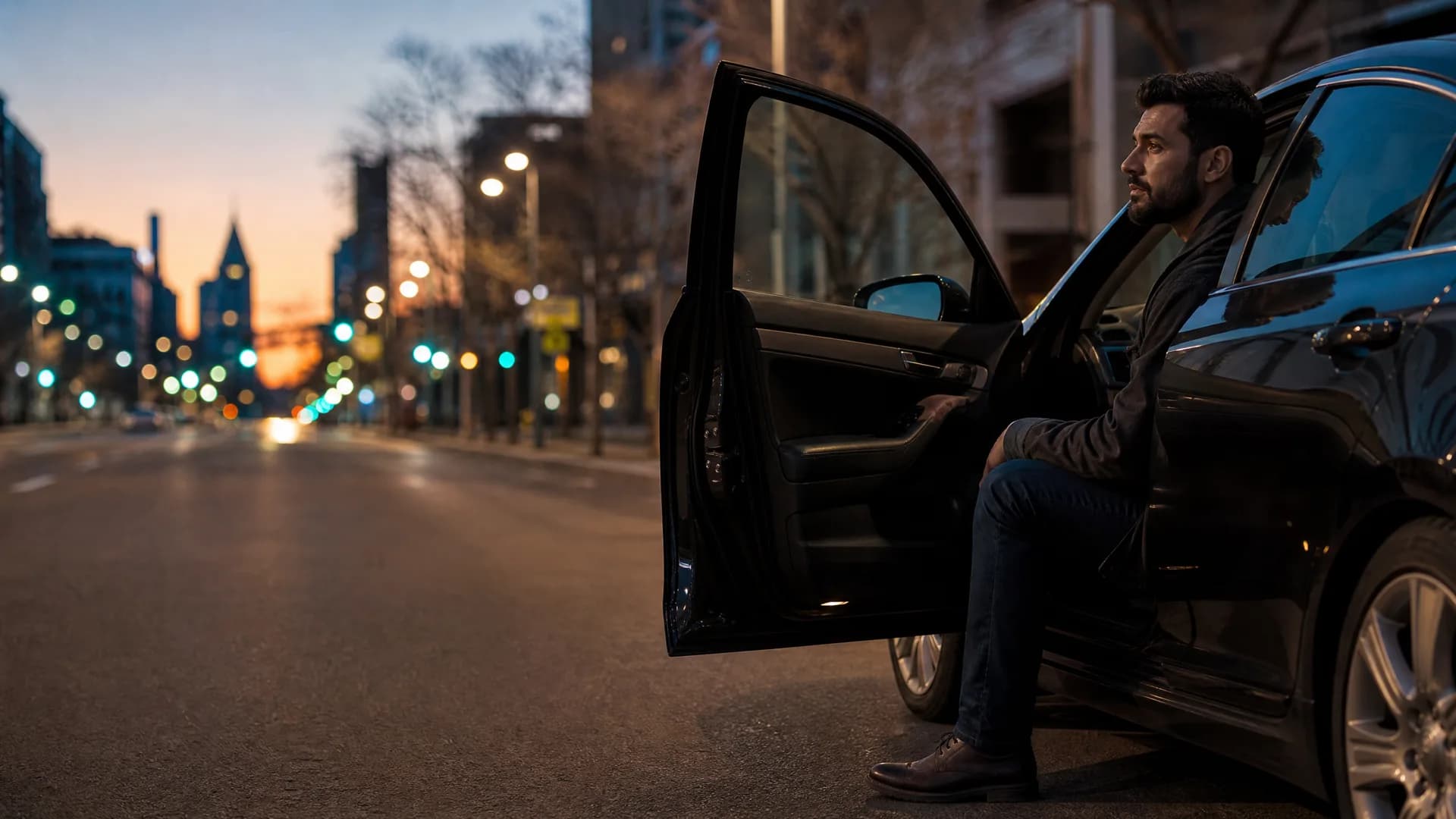
What Happens If You Drive During the Suspension
Driving on a suspended license in Delaware is a separate criminal offense. If you are stopped, the officer will verify your license status, impound your vehicle, and charge you with driving under suspension. The penalty is a fine, potential jail time, and an extended suspension period. The vehicle impound fee and towing costs add hundreds of dollars on top of the reinstatement fee you already owe. Insurance companies check license status when you file a claim. If you are in an accident while driving on a suspended license, your carrier can deny the claim entirely, leaving you personally liable for all damages.
Many drivers assume they can drive to work or to the DMV to handle reinstatement. They cannot. The suspension is absolute. Arrange a ride, use public transit, or have someone else drive your vehicle until reinstatement is complete. If you need to drive for work, Delaware does not offer a hardship or occupational license for insurance lapses — those licenses are available only for point-based suspensions, and the application requires proof that you have no more than two prior suspensions. An insurance lapse suspension does not qualify.
Compare Carriers Before You Reinstate
A lapse marks you as high-risk. Carriers price post-lapse policies higher than standard policies, and some carriers will not write you at all until the suspension is cleared. If your timeline allows, compare carriers before the suspension is reported. Once the DMV processes the lapse and suspends your license, your options narrow and your rates climb.
Delaware has 18 carriers writing standard and non-standard auto insurance. Allstate, Dairyland, Direct Auto, Farmers, Geico, National General, Progressive, and The General all write policies for drivers with recent lapses. Geico, Progressive, and State Farm offer online quotes that return rates within minutes. Dairyland, Direct Auto, and The General specialize in high-risk drivers and often quote lower rates than standard carriers for post-lapse policies, but their coverage options are more limited. Compare at least three carriers before binding.
When comparing, confirm that each quote meets Delaware's minimum liability requirements and includes personal injury protection. Some non-standard carriers quote state minimums by default; others quote higher limits and allow you to reduce coverage during the application. If you are insuring multiple vehicles, ask whether the carrier offers a multi-car discount and whether that discount applies to post-lapse policies. Not all carriers extend multi-car pricing to high-risk drivers, and some require six months of continuous coverage before the discount activates.

Get a Quote and Reinstate Today
The longer you wait, the longer the suspension runs and the higher the reinstatement costs climb if you are caught driving. Compare Delaware carriers now, bind a policy that starts immediately, and pay the $50 reinstatement fee as soon as the carrier files proof with the DMV. Once reinstated, set up automatic payment and do not let the new policy lapse. A second lapse within three years triggers a longer suspension and higher fees, and most carriers will not write you after two lapses in a short window. Fix it once and keep it fixed.
The Reinstatement Process Step by Step
First, buy a new Delaware car insurance policy that meets the state's minimum liability requirements: $25,000 bodily injury per person, $50,000 bodily injury per accident, and $10,000 property damage. Delaware also requires personal injury protection coverage. The policy must start immediately — backdating is not allowed, and a future effective date leaves you uninsured during the gap. Your new carrier will file proof of insurance electronically with the Delaware DMV within 24 hours of binding the policy. Do not wait for a paper card; the electronic filing is what the DMV uses to verify coverage.
Second, pay the $50 reinstatement fee to the Delaware Division of Motor Vehicles. You can pay online, by mail, or in person at a DMV office. The fee clears the suspension, but the DMV will not process reinstatement until the electronic insurance filing from your new carrier appears in their system. If you pay the fee before the carrier files proof, your reinstatement stalls. Most carriers file within 24 hours, but confirm with your agent that the filing went through before paying the fee. Once the DMV receives both the insurance proof and the reinstatement fee, your license is restored. You can verify reinstatement status online through the Delaware DMV driver record portal.
Get Your Free Quote
Get My Delaware Car Insurance QuoteFrequently Asked Questions
How long does Delaware suspend your license for an insurance lapse?
Delaware suspends your license for 180 days after any insurance lapse, whether you were driving the vehicle or not. The suspension begins when the DMV receives the lapse notice from your carrier. Reinstatement requires proof of new insurance and a $50 fee.
Can I get a hardship license in Delaware after an insurance lapse?
No. Delaware's occupational license is available only for point-based suspensions, not insurance lapses. The application requires proof of extreme business hardship and no more than two prior suspensions. An insurance lapse suspension does not qualify.
What happens if I drive in Delaware while my license is suspended for a lapse?
Driving on a suspended license in Delaware is a criminal offense. If stopped, your vehicle will be impounded, you will be charged with driving under suspension, and you will face fines, potential jail time, and an extended suspension. Insurance claims filed during the suspension can be denied entirely.
How much does it cost to reinstate a Delaware license after an insurance lapse?
Delaware charges a flat $50 reinstatement fee. The fee clears the suspension but does not restore your insurance. You must buy a new policy that meets state minimums and maintain continuous coverage forward to avoid a second lapse.
Do I need to surrender my registration if I stop driving a car in Delaware?
Yes. If you stop driving a car or sell it, surrender the registration to the Delaware DMV before canceling insurance. Canceling insurance while the registration is active triggers a lapse and a 180-day license suspension, even if the car is parked.
Which Delaware carriers write insurance after a lapse?
Allstate, Dairyland, Direct Auto, Farmers, Geico, National General, Progressive, and The General all write policies for drivers with recent lapses. Dairyland, Direct Auto, and The General specialize in high-risk drivers and often quote lower rates than standard carriers for post-lapse policies.
Can I backdate a new insurance policy to cover a Delaware lapse?
No. Delaware carriers cannot backdate policies to cover a lapse period. The new policy must start immediately, and the carrier files proof of coverage electronically with the DMV. The lapse period remains on your record, and the 180-day suspension applies regardless of when you buy new coverage.