
What Stops Most Delaware Registration Applications
You arrive at Delaware DMV with your title, your driver's license, and cash for the fee. The clerk asks for your insurance card. You hand it over. They check the VIN against your title, shake their head, and tell you the numbers don't match. Your application stops right there. You leave without plates.
Delaware Division of Motor Vehicles will not process a registration application until every required document is present, legible, and internally consistent. The insurance proof must show liability coverage at Delaware's minimum limits — $25,000 per person for bodily injury, $50,000 per accident, and $10,000 for property damage — and the VIN on that insurance card must match the VIN on your title character-for-character. A transposed digit, a missing letter, or an old policy listing your previous car instead of the one you're registering today all produce the same outcome: denied application, no plates, come back when the paperwork is correct.
Compare car insurance rates in your state
Get quotes from licensed carriers — no obligation, no spam, results in minutes.
Get Your Free QuoteDelaware Minimum Liability
$25,000/$50,000/$10,000
Delaware requires every registered vehicle to carry at least $25,000 bodily injury per person, $50,000 per accident, and $10,000 property damage. Your insurance card must show limits meeting or exceeding these amounts before DMV accepts your registration.
Delaware Division of Motor Vehicles
The Five Documents Delaware DMV Requires
Delaware registration applications require five documents. First, proof of insurance: an insurance card, binder, or declaration page issued by a carrier licensed in Delaware, showing liability coverage at or above state minimums and listing the exact VIN you are registering. Second, the vehicle title: either the original certificate of title signed by the seller if you bought the car privately, or the Manufacturer's Certificate of Origin if the vehicle is brand-new. Third, a completed Form MV-1 Application for Certificate of Title, available at DMV or online. Fourth, government-issued photo identification matching the name on the title application. Fifth, payment for the registration fee and title fee.
The insurance document is where most applications fail. Delaware does not accept expired cards, cards showing a different vehicle, or cards listing coverage below state minimums. Personal Injury Protection coverage is mandatory in Delaware, so your card must also show PIP. If you are registering a vehicle you just bought and your existing policy has not yet added the new VIN, call your carrier before you go to DMV. Most carriers can issue a binder or updated declaration page immediately over the phone or by email, and that document satisfies Delaware's proof requirement as long as it shows the correct VIN and meets the minimum limits.
If you are registering a leased vehicle, bring the lease agreement in addition to the title. If you are registering a vehicle with a lien, the lienholder's name and address must appear on the title application. Delaware DMV will mail the title to the lienholder, not to you, until the loan is paid off. If you are registering a vehicle you inherited, bring the death certificate and probate documents or an affidavit of heirship depending on whether the estate went through probate.
A VIN mismatch between your insurance card and your title stops the application immediately. Verify both documents show the same 17-character VIN before you leave for DMV.
How to Verify Your Insurance Card Before You Go
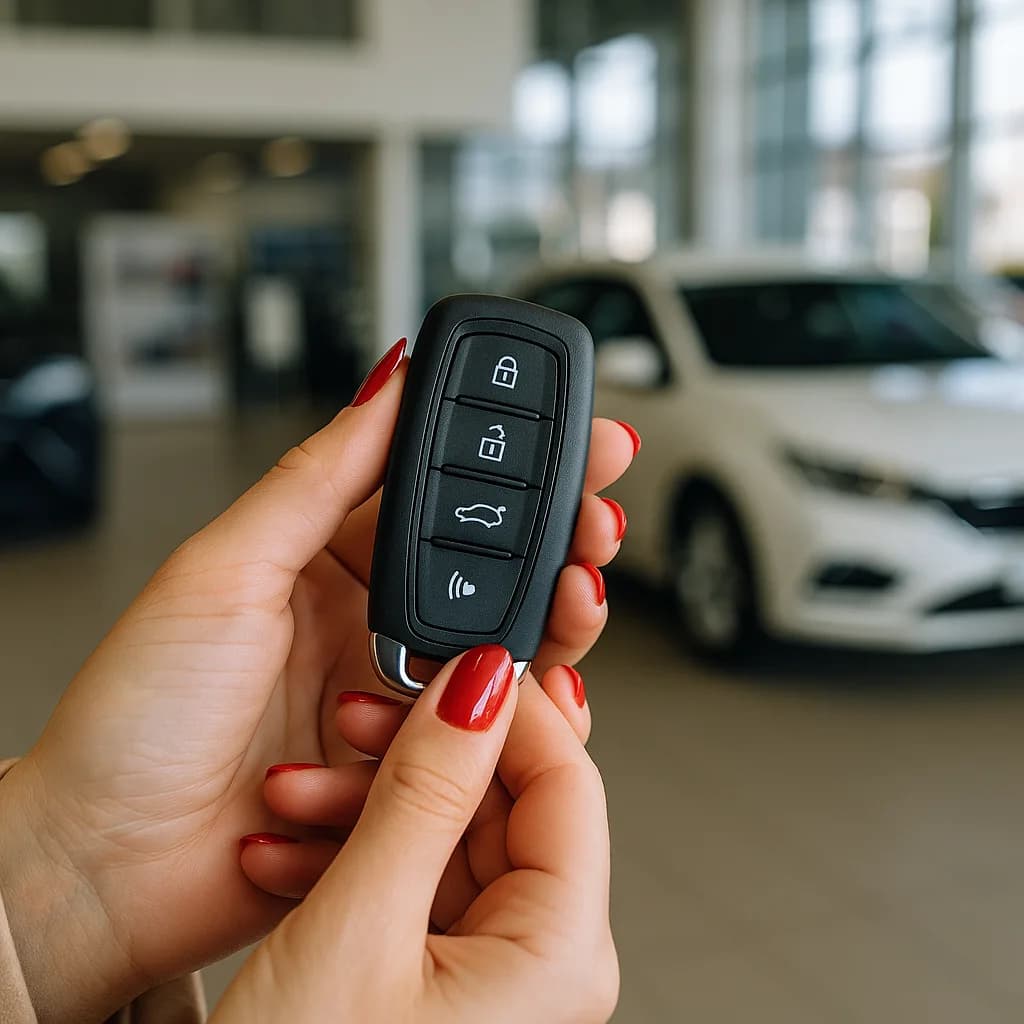
First, confirm the VIN. Your insurance card lists a 17-character vehicle identification number. Compare it character-by-character to the VIN on your title or Manufacturer's Certificate of Origin. If you recently bought the car and your carrier has not yet updated your policy, the card may still show your old vehicle. Call your agent or carrier, give them the new VIN, and request an updated declaration page or binder showing the correct vehicle. Most carriers email or fax this document within minutes.
Second, confirm the liability limits. Delaware requires $25,000 per person for bodily injury, $50,000 per accident, and $10,000 for property damage. Your card must show limits at or above these amounts. If your card shows 25/50/10 or higher, you meet the requirement. If your card shows lower limits — for example, if you moved to Delaware from a state with lower minimums and have not yet updated your policy — contact your carrier to raise your limits before you attempt registration. Third, confirm Personal Injury Protection appears on the card. Delaware mandates PIP coverage, and DMV checks for it. If PIP is missing, your application will be denied even if liability limits are correct.
Related Articles






Title Transfer Rules for Private Sales and Dealer Sales
If you bought the vehicle from a private seller, the seller must sign the back of the title in the assignment section and provide the odometer reading and sale date. Both buyer and seller must sign. If the seller's name on the front of the title does not match the name signing the back, DMV will reject the title. If the seller lost the original title, they must apply for a duplicate title before they can transfer ownership to you. Delaware does not allow title transfers on photocopies or reconstructed documents.
If you bought the vehicle from a licensed dealer, the dealer typically handles the title application and registration on your behalf. You will receive temporary tags valid for 60 days while DMV processes the permanent registration. If you are handling registration yourself after a dealer purchase, bring the dealer reassignment document in addition to the title. The reassignment must be signed by the dealer and must list your name as the buyer. If you are registering a vehicle you bought out of state, bring the out-of-state title signed by the seller. Delaware DMV will accept an out-of-state title as long as it is properly assigned and notarized if the originating state requires notarization.
If you are registering a vehicle with an existing Delaware title in your name — for example, you are renewing registration after a lapse, or you moved within Delaware and need to update your address — you do not need to resubmit the title. Bring your current registration card and proof of insurance.
Delaware Reinstatement Fee
This fee is in addition to the standard registration and title fees.
Delaware Division of Motor Vehicles
What Happens When One Document Is Missing
Delaware DMV does not process incomplete applications. If you arrive without one required document, the clerk will return your paperwork and tell you to come back when you have everything. No partial processing, no conditional approval, no placeholder registration while you obtain the missing item. The application starts over when you return. If you are registering multiple vehicles on the same trip — common for households adding a second or third car — each vehicle requires its own complete document set. One missing insurance card for one vehicle stops that vehicle's registration, but does not affect the others as long as their paperwork is complete.
The most common missing document is updated insurance proof. If you bought a car yesterday and your carrier has not yet mailed your new card, request an electronic declaration page or binder before you leave for DMV. The second most common missing document is a signed title. Sellers frequently forget to sign the assignment section, or sign in the wrong place, or fail to provide the odometer disclosure. Check the title before the seller leaves. If you discover the signature is missing after the seller has left, you must track them down and obtain the signature before DMV will accept the title.
Register Your Vehicle With the Right Documents
Verify your insurance card lists the correct VIN and meets Delaware's $25,000/$50,000/$10,000 liability minimums plus PIP before you leave for DMV. Confirm the title is signed by the seller if you bought the car privately, or that you have the dealer reassignment if you bought from a dealer. Bring your government-issued photo ID, your completed MV-1 form, and payment for the fees. If any document is missing or incorrect, obtain it before you make the trip. Delaware DMV does not process incomplete applications, and a missing document means starting over. Compare carriers writing Delaware coverage to confirm your policy meets state requirements and covers every vehicle you are registering.