
Uninsured Motorist Coverage — Delaware
Free to compare
What Happens When an Uninsured Driver Hits Your Car
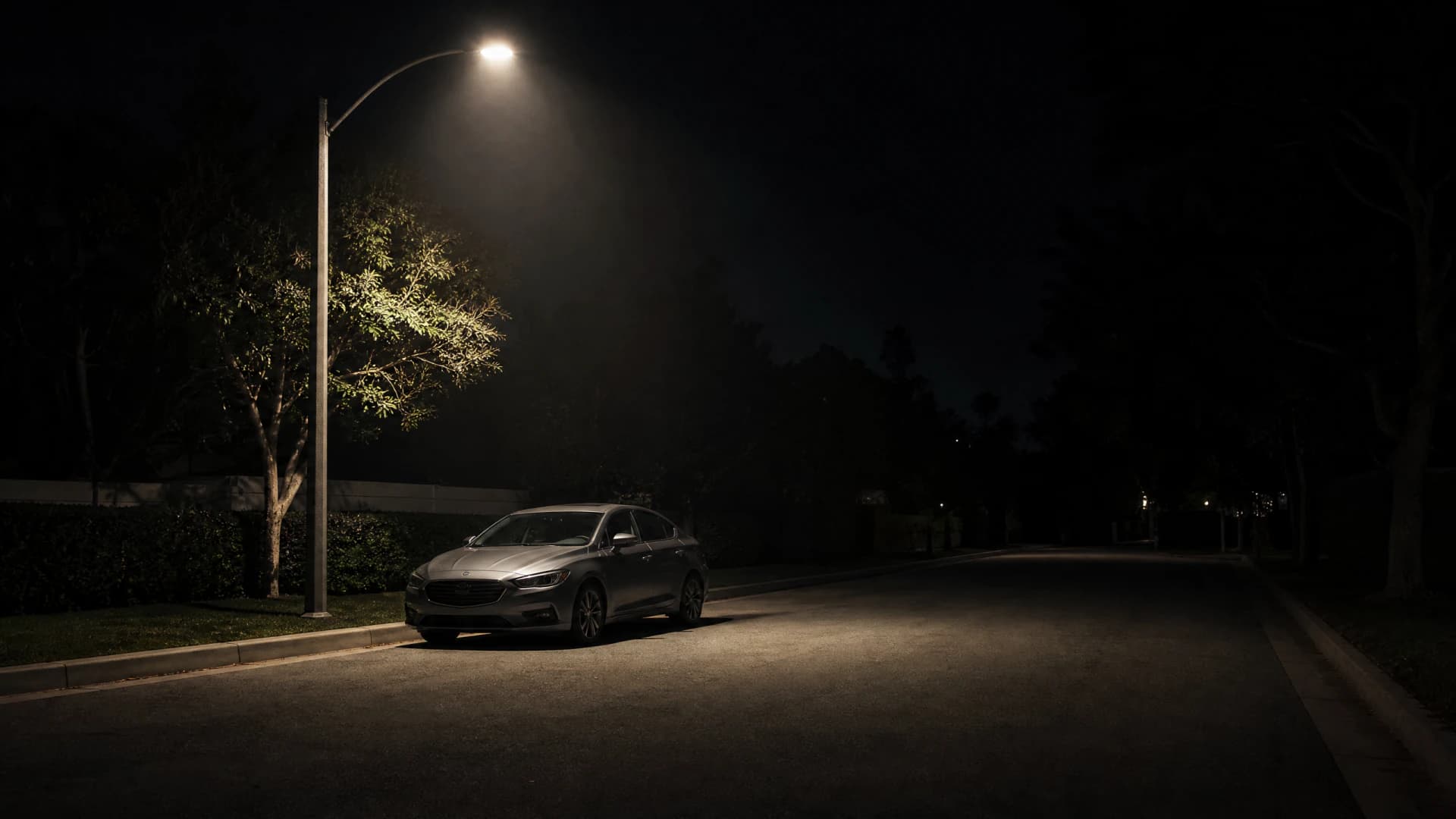
You're driving one of your household's vehicles through Wilmington when an uninsured driver runs a red light and totals your car. Your injuries require emergency care. The other driver has no insurance, no assets, and disappears from the scene. Delaware's minimum liability requirement — $25,000 per person, $50,000 per accident for bodily injury, and $10,000 for property damage — covers only the damage you cause to others. It does nothing when someone without insurance damages your vehicle or injures you or your passengers.
This is the structural gap uninsured motorist coverage fills. UM coverage pays for your medical bills, lost wages, and vehicle damage when an uninsured or underinsured driver causes the collision. Delaware does not mandate UM coverage, so it appears on your policy only if you actively add it. With 17.6% of Delaware drivers uninsured, the decision to carry UM coverage on a multi-vehicle policy is not theoretical — it's a direct response to measurable road risk.
“With 17.6% of Delaware drivers uninsured, UM coverage is a direct response to measurable road risk, not a theoretical add-on.”

Meet Delaware's Requirements Without Overpaying
Get My Delaware Car Insurance Quote17.6%
Delaware Uninsured Driver Rate
Nearly one in five Delaware drivers carries no insurance. When an uninsured driver causes a collision, your own UM coverage is the only financial protection for your injuries and vehicle damage.
Insurance Information Institute, 2023
Two Components: Bodily Injury and Property Damage
Uninsured motorist coverage splits into two parts. Uninsured motorist bodily injury (UMBI) pays for medical expenses, lost income, and pain and suffering when an uninsured driver injures you or your passengers. Underinsured motorist bodily injury (UIMBI) covers the gap when the at-fault driver's liability limit is too low to cover your injuries. Delaware allows you to buy UMBI and UIMBI separately or together, and you can select limits that match or exceed your liability limits.
Uninsured motorist property damage (UMPD) pays to repair or replace your vehicle when an uninsured driver damages it. UMPD is less common than UMBI because collision coverage already pays for vehicle damage regardless of fault. If you carry collision on all vehicles in your household, UMPD adds little value. If you carry liability-only on one or more vehicles to save money, UMPD becomes the only coverage that pays for damage an uninsured driver causes to those vehicles.
Delaware does not require either component. Carriers must offer UMBI, and you must decline it in writing if you choose not to buy it. UMPD is optional without a written waiver requirement. Most multi-vehicle households buy UMBI and skip UMPD if they already carry collision across the policy.
Delaware requires carriers to offer UMBI, but you must add it to your policy — it does not appear automatically. If you declined it when you first bought the policy, you can add it at renewal or mid-term.
Related Articles






Stacking and Non-Stacking Limits
Delaware allows stacking of UM limits when you insure multiple vehicles on one policy. Stacking means you can combine the UM limits from each vehicle to increase the total available coverage after a collision. Non-stacked coverage limits you to the $50,000 per-person limit from a single vehicle, regardless of how many vehicles the policy covers.
Carriers charge more for stacked UM coverage because the total available limit is higher. For multi-vehicle households, stacking increases total protection without requiring you to buy higher per-vehicle limits. Non-stacking keeps the premium lower but caps your UM recovery at the single-vehicle limit even when the policy covers four or five cars.
When you add UM coverage to a multi-vehicle policy, the carrier asks whether you want stacked or non-stacked limits. The choice applies to the entire policy, not individual vehicles. Most households with three or more vehicles choose stacked UMBI because the total limit grows with each vehicle added, and the incremental cost per vehicle decreases as the policy grows.
$25,000 / $50,000
Delaware Minimum Liability Limits
Delaware requires $25,000 per person and $50,000 per accident in bodily injury liability, plus $10,000 property damage. UM limits can match or exceed these minimums, and many households select UM limits equal to their liability limits to maintain consistent protection.
Delaware Division of Motor Vehicles

UM Coverage and Personal Injury Protection
Delaware requires personal injury protection (PIP) on every auto policy. PIP covers you, your passengers, and household members injured while occupying your insured vehicles or struck as pedestrians. Because PIP is mandatory and pays immediately without requiring you to prove the other driver was at fault, it overlaps with UMBI in some scenarios.
UMBI covers all of those categories. The two coverages work together rather than duplicating each other, but the PIP payment reduces the amount UMBI must pay for the same injuries.
For multi-vehicle households, this coordination matters because PIP applies per person per accident across all vehicles on the policy, while UMBI limits depend on whether you chose stacked or non-stacked coverage. A household with high medical exposure — multiple drivers, long commutes, or frequent highway travel — benefits from UMBI limits well above the PIP floor, especially when stacked across several vehicles.
Comparing UM Coverage Across Delaware Carriers
Not every carrier writing in Delaware offers the same UM options. Some carriers require you to buy UMBI and UIMBI together as a package. Others let you buy UMBI without UIMBI, or vice versa. A few carriers automatically include UIMBI when you add UMBI, with no option to separate them. The flexibility to tailor UM coverage to your household's risk profile varies by carrier, and the premium difference for identical limits can be significant.
When you compare carriers for a multi-vehicle policy, ask whether the carrier offers stacked UM limits, whether UMBI and UIMBI are bundled or sold separately, and whether UMPD is available without collision. Carriers writing high-risk or non-standard policies sometimes restrict UM options or require higher deductibles for UMPD. Carriers in the preferred and standard tiers typically offer full UM flexibility, including stacked limits and standalone UIMBI. The Delaware car insurance requirements page lists carriers licensed to write in the state and their tier positioning.

Next Step: Add UM Coverage or Adjust Limits
If your current multi-vehicle policy does not include UM coverage, contact your carrier or agent and request a quote for UMBI with stacked limits. Most carriers allow you to add UM coverage mid-term without re-rating the entire policy. If you already carry UM coverage but selected non-stacked limits when you first bought the policy, ask whether switching to stacked limits is available and what the premium difference is. For households adding a fourth or fifth vehicle, stacked UM limits grow automatically with each vehicle, increasing total protection without requiring you to raise per-vehicle limits.
How UM Coverage Works Across Multiple Vehicles
UM bodily injury limits apply per person and per accident, just like liability limits. When an uninsured driver hits a vehicle carrying three household members, each person can claim up to the per-person limit, but the total payout cannot exceed the per-accident limit. This structure matters for multi-vehicle households because a single collision can injure multiple family members riding together.
UM property damage limits work differently. UMPD pays per vehicle, not per accident. If you carry UMPD and an uninsured driver damages two of your household's vehicles in one collision, the UMPD limit applies separately to each vehicle. Most UMPD policies include a deductible, and some require you to exhaust efforts to collect from the at-fault driver before the coverage pays. Collision coverage has no collection requirement and typically offers higher limits, which is why most households with collision skip UMPD entirely.
Get Your Free Quote
Get My Delaware Car Insurance QuoteFrequently Asked Questions
Does Delaware require uninsured motorist coverage?
No. Delaware does not require uninsured motorist coverage, but carriers must offer UMBI and you must decline it in writing if you choose not to buy it. UMPD is optional with no waiver requirement.
What is the difference between UMBI and UIMBI?
UMBI pays when an uninsured driver injures you. UIMBI pays when an at-fault driver's liability limit is too low to cover your injuries. Delaware allows you to buy them separately or together, depending on the carrier.
Should I buy stacked or non-stacked UM coverage for multiple vehicles?
Stacked UM coverage combines limits from each vehicle on your policy, increasing total protection. Non-stacked coverage caps your recovery at the single-vehicle limit. Most multi-vehicle households choose stacked UMBI because the total limit grows with each vehicle added.
Do I need UMPD if I already have collision coverage?
No. Collision coverage pays for vehicle damage regardless of fault, so UMPD adds little value when you carry collision on all vehicles. UMPD is useful only for vehicles insured with liability-only coverage.
How does PIP interact with UM coverage in Delaware?
If your bills exceed that amount and an uninsured driver caused the collision, UMBI pays the remaining amount up to your UMBI limit. PIP does not cover pain and suffering or long-term disability; UMBI does.
Can I add UM coverage to my policy mid-term?
Yes. Most carriers allow you to add UM coverage or switch from non-stacked to stacked limits mid-term. Contact your carrier or agent to request a quote and adjust your policy.