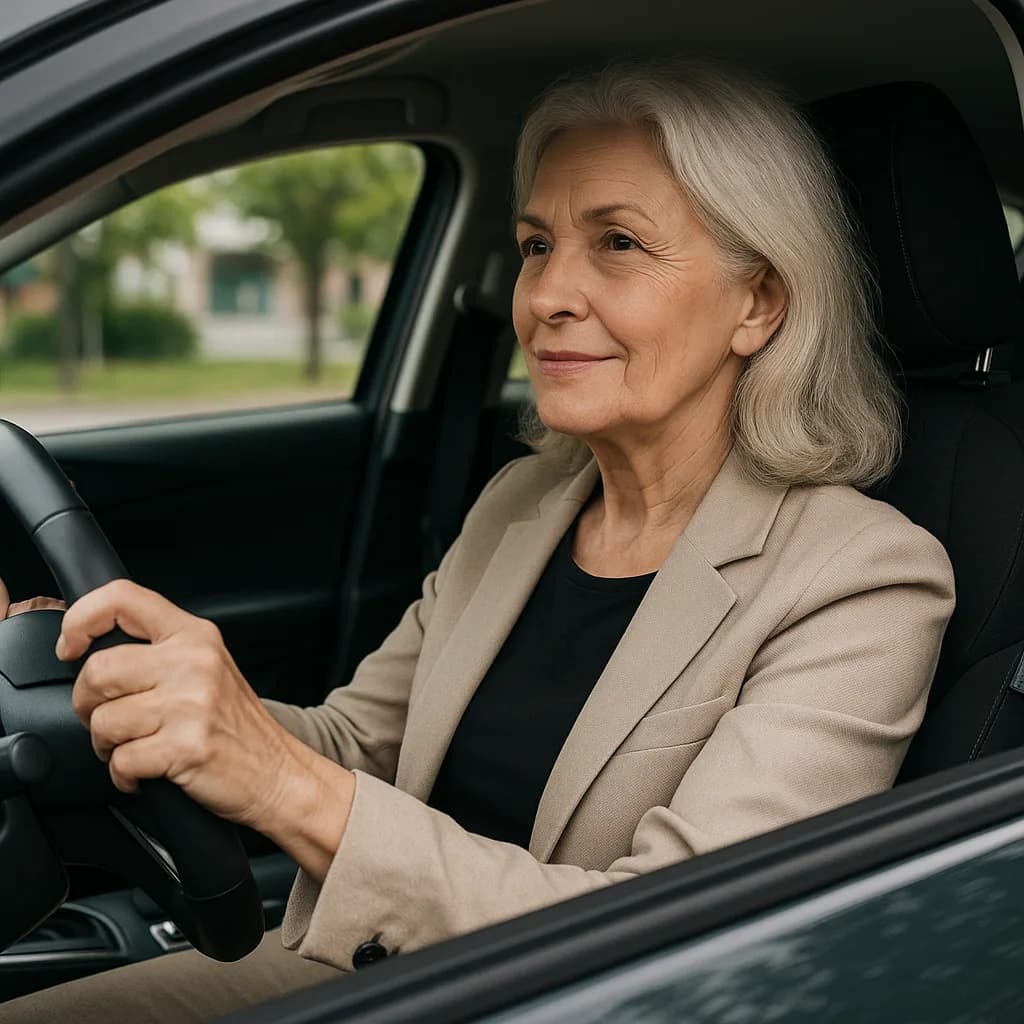
Delaware Requires PIP on Every Auto Policy
Delaware requires Personal Injury Protection coverage on every auto insurance policy. This is not optional. When you register a vehicle or renew your policy, PIP must be present alongside the state's minimum liability limits of $25,000 per person and $50,000 per accident for bodily injury, plus $10,000 for property damage.
For households insuring two or more vehicles, this means PIP applies at the policy level, not per vehicle. A single policy covering three cars carries one PIP coverage limit that extends to all covered drivers and passengers across all three vehicles. Understanding how PIP works when you add a second or third car prevents confusion at claim time and ensures you meet Delaware's mandatory coverage requirements.
Compare car insurance rates in your state
Get quotes from licensed carriers — no obligation, no spam, results in minutes.
Get Your Free QuoteDelaware Minimum PIP
This covers medical expenses, lost wages, and essential services for you and your passengers after an accident, regardless of fault.
Delaware Division of Motor Vehicles
PIP Covers Medical Costs Regardless of Fault
Personal Injury Protection pays for medical expenses, lost wages, and essential services after an accident, regardless of who caused it. Delaware's no-fault PIP system means your own policy pays your medical bills first, before any liability claim against the other driver. This speeds up payment and reduces litigation for routine injury claims.
Higher PIP limits are available if you want more protection. When you insure multiple vehicles on one policy, that single PIP limit covers all drivers and passengers in any of your covered cars.
PIP does not cover vehicle damage. Collision and comprehensive coverages handle repairs to your cars. PIP is strictly for injury-related costs to people, not property.
Adding a second or third vehicle to your policy does not require additional PIP coverage. The policy-level PIP limit already extends to every car you insure.
How PIP Works Across Multiple Vehicles

When you add a second vehicle to your Delaware auto policy, you do not purchase a second PIP coverage. The existing PIP limit on your policy extends to the newly added car automatically. If you carry a higher PIP limit, that higher amount applies across all vehicles on the policy.
This policy-level structure means households with three or four cars on one policy share the same PIP limit across all vehicles. If two family members are injured in separate accidents on the same day, both claims draw from the single policy PIP limit. Households with multiple drivers may choose higher PIP limits to ensure adequate coverage when several people rely on the same policy.
Related Articles




Combining Policies After Marriage or a Move
When two household members each carry separate Delaware auto policies and decide to combine them, the combined policy requires only one PIP coverage. If one spouse carried a higher PIP limit, the household can choose to maintain that higher limit on the combined policy.
Combining policies does not double PIP coverage. The new policy structure replaces both prior policies, and the single PIP limit on the combined policy covers every vehicle and every driver listed. This is a structural reality of Delaware's per-policy PIP requirement, not a reduction in coverage. Households concerned about adequate medical coverage across multiple drivers should evaluate whether a higher PIP limit fits their situation before finalizing the combined policy.
Delaware Uninsured Motorist Rate
17.6%
17.6% of Delaware motorists drive without insurance. PIP ensures your medical expenses are covered even when the at-fault driver has no coverage, because your own policy pays first regardless of fault.
Insurance Information Institute, 2023
PIP and Liability Work Together
Delaware requires both PIP and liability coverage. PIP covers your own medical costs; liability covers injury and property damage you cause to others. These coverages do not overlap. When you cause an accident, your liability coverage pays the other driver's medical bills and vehicle damage up to your policy limits. Your PIP coverage pays your own medical expenses, regardless of fault.
For households insuring multiple vehicles, this means every car on your policy is covered by both the liability limits and the PIP limit. If a family member driving one of your insured cars causes an accident, your liability coverage responds. If that same family member is injured in an accident someone else caused, your PIP coverage pays their medical bills first, before any claim against the at-fault driver's liability policy.
Compare Carriers That Write Multiple Vehicles in Delaware
Delaware law mandates PIP on every policy, so every carrier writing auto insurance in the state offers it. Households insuring two or more vehicles should compare carriers on total policy cost, not just liability premiums, because PIP is a required component of every quote.
When you request quotes for a multi-vehicle policy, confirm the PIP limit included in each quote. If you want more than the minimum, request quotes at the higher PIP limit from every carrier to ensure an accurate comparison. The policy-level PIP structure means you pay for PIP once per policy, not once per vehicle, so adding a second or third car does not multiply your PIP premium.