
Rental Reimbursement Coverage — Delaware
Free to compare
Why Multi-Car Households Question Rental Reimbursement
You insure two or more vehicles on one Delaware policy and your carrier offers rental reimbursement as an add-on. The question: do you need it on every car, or does buying it once cover your household no matter which vehicle is in the shop? Most carriers present the coverage as a per-vehicle line item on the quote screen, which makes it look like you're buying separate protection for each car. That presentation misleads.
Rental reimbursement is a policy-level coverage in most cases, not a vehicle-specific one. When you add it to a multi-car policy, you're buying one daily rental allowance that applies when any covered vehicle is being repaired after a covered claim. You cannot use two rental cars simultaneously under one policy's rental reimbursement, even if two of your cars are in the shop at the same time. Understanding this structure prevents paying twice for protection you can only use once.
“A multi-car policy with rental reimbursement covers one rental car at a time, no matter how many vehicles you insure.”

Meet Delaware's Requirements Without Overpaying
Get My Delaware Car Insurance Quote$1,462.03
Delaware Annual Auto Expenditure
Average annual auto insurance expenditure per insured vehicle in Delaware as of 2023. Multi-vehicle policies typically lower the per-vehicle cost through the multi-car discount, but optional coverages like rental reimbursement add back to the total.
NAIC Auto Insurance Database Report 2023
How Rental Reimbursement Works on a Multi-Car Policy
The coverage does not pay for rentals during routine maintenance, breakdowns unrelated to an insured loss, or mechanical failure. It triggers only when a covered peril puts your car out of service.
On a multi-car policy, the coverage attaches to the policy as a whole. If you carry three vehicles and add rental reimbursement, you have one rental allowance available at any given time. If two cars are damaged in separate incidents and both are in the shop simultaneously, the policy pays for one rental car, not two. The second vehicle's driver must find another solution — use the third household car, borrow a vehicle, or pay out of pocket for a second rental.
Some carriers structure rental reimbursement as a per-vehicle charge on the billing statement, which creates confusion. The per-vehicle pricing reflects underwriting and administrative convention, not the scope of coverage. You are still buying one rental allowance per policy period, regardless of how the premium is itemized across your vehicles.
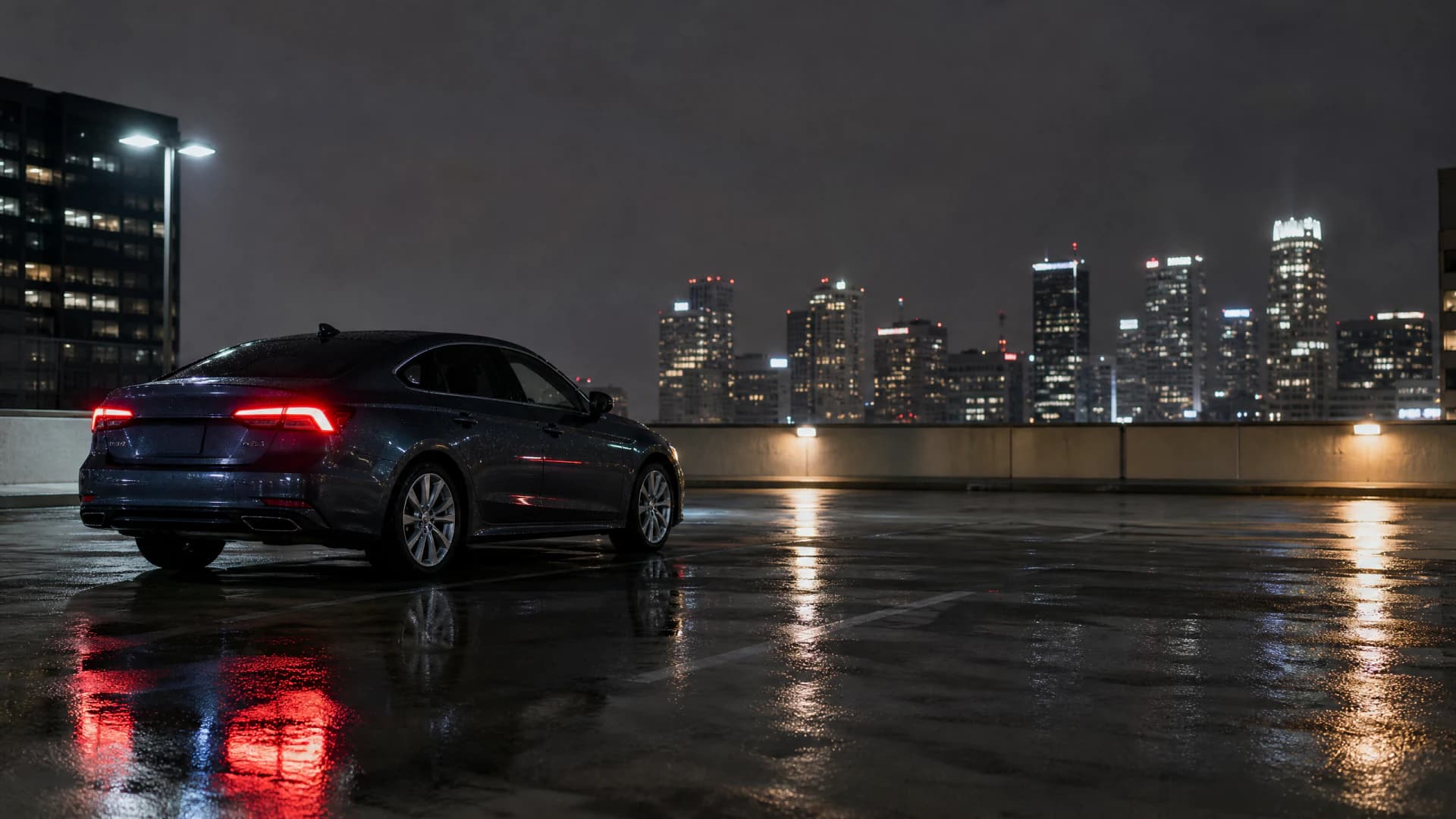
A multi-car policy with rental reimbursement covers one rental car at a time, no matter how many vehicles you insure or how the premium is billed.
Related Articles



Coverage Gaps Multi-Car Households Miss
The single-rental-at-a-time rule creates a gap most households do not anticipate: if two vehicles are damaged in the same incident — a garage fire, a hailstorm, a multi-car accident — the policy pays for one rental car while both vehicles are being repaired. The household must solve the second transportation need without insurance support. Carriers do not prorate or stack rental allowances when multiple vehicles are out of service.
Rental reimbursement also does not extend to vehicles you do not own. If a household member borrows your car and crashes it, the coverage pays for your rental while your car is repaired. It does not pay for a rental to replace the borrowed vehicle the other driver now lacks. That driver must rely on their own policy's rental coverage, if they carry it, or pay out of pocket.
Delaware requires minimum liability limits of $25,000 per person and $50,000 per accident for bodily injury, plus $10,000 for property damage, and mandates personal injury protection. None of these coverages include rental reimbursement. It remains an optional add-on, and dropping it after a claim does not affect your ability to register or legally drive your vehicles.
17.6%
Delaware Uninsured Motorist Rate
Percentage of Delaware motorists driving without insurance as of 2023. A collision with an uninsured driver can leave your vehicle out of service for weeks while the claim is resolved, making rental reimbursement a practical hedge.
Insurance Research Council 2023
Comparing Rental Reimbursement Across Carriers
Daily limits and total caps vary by carrier.
Some carriers extend rental reimbursement to cover the gap between when your car is totaled and when the claim settles, as long as you stay within the total cap. Others cut off rental coverage as soon as the vehicle is declared a total loss, even if the settlement check has not arrived. That distinction is not always disclosed on the quote screen. Ask the carrier explicitly how rental reimbursement applies to total-loss claims before adding the coverage.
Compare Carriers That Write Multi-Car Policies in Delaware
Rental reimbursement pricing and terms vary across the carriers writing multi-car policies in Delaware. Allstate, Geico, Progressive, State Farm, and Nationwide all offer the coverage, but daily limits, total caps, and total-loss handling differ. Request quotes from at least three carriers, and compare not only the premium but the specific rental terms each policy provides.
When you add or remove rental reimbursement mid-term, the carrier re-rates the entire policy, not just the affected vehicle. The premium change reflects the new coverage across all cars, even though the protection applies to one rental at a time. That re-rating can shift your multi-car discount or trigger a different tier, so review the revised total premium before confirming the change.
When Adding Rental Reimbursement Makes Sense
Households with two vehicles and two daily commuters gain the most value. If one car is totaled or in the shop for two weeks after a collision, the household loses half its transportation capacity.
Households with three or more vehicles face a different calculus. If one car is out of service, the remaining vehicles often cover daily driving needs. Rental reimbursement becomes useful only when two cars are simultaneously disabled — a rare scenario — or when the household cannot easily share the remaining vehicles due to work schedules, child transportation, or geographic spread. In that case, the coverage acts as a convenience layer rather than a necessity.
Get Your Free Quote
Get My Delaware Car Insurance QuoteFrequently Asked Questions
Does rental reimbursement cover all cars on my Delaware multi-car policy?
Rental reimbursement on a multi-car policy provides one rental car allowance at a time, regardless of how many vehicles you insure. If two cars are in the shop simultaneously, the policy pays for one rental, not two.
How much does rental reimbursement cost on a Delaware multi-car policy?
The exact cost depends on the daily limit and total cap you select, and varies by carrier.
Can I add rental reimbursement to only one vehicle on my policy?
Most carriers bill rental reimbursement as a per-vehicle line item, but the coverage applies at the policy level. Adding it to one vehicle typically extends the rental allowance to any covered vehicle on the policy, though billing presentation varies by carrier.
Does rental reimbursement pay if my car breaks down?
No. Rental reimbursement pays only when a covered peril — collision, comprehensive loss, or another insured event — puts your vehicle out of service. Mechanical breakdowns, routine maintenance, and non-covered failures do not trigger the coverage.
What happens if both my cars are damaged in the same hailstorm?
The policy pays for one rental car while both vehicles are being repaired. You must solve the second transportation need without insurance support, either by borrowing a vehicle or paying out of pocket for a second rental.
Does Delaware require rental reimbursement coverage?
No. Delaware requires $25,000/$50,000 bodily injury liability, $10,000 property damage liability, and personal injury protection, but rental reimbursement remains optional. You can drop it without affecting your legal ability to drive.