
Best Cheap Car Insurance Companies — Delaware
Free to compare
Finding Multi-Car Coverage in Delaware
You own two or more vehicles and need Delaware car insurance that meets the state's $25,000 per person, $50,000 per accident bodily injury, and $10,000 property damage minimums — plus mandatory personal injury protection. You've heard that insuring multiple cars on one policy saves money, but you don't know which carriers in Delaware actually write multi-car policies well, or whether combining your household's vehicles onto a single policy will lower your combined premium or raise it.
Delaware's carrier roster includes 17 companies confirmed to write auto insurance in the state. Not all of them structure multi-car policies the same way. Some require every vehicle to be garaged at the same address to qualify for a multi-vehicle discount. Others allow flexibility when a household member keeps a car at a different location. The policy structure you choose — one shared policy versus separate policies per vehicle — determines whether you benefit from multi-car pricing or pay as if each vehicle were insured alone.
“A smaller discount on a lower base rate can beat a larger discount on a higher one.”
Meet Delaware's Requirements Without Overpaying
Get My Delaware Car Insurance Quote$25,000/$50,000/$10,000
Delaware Minimum Liability
Delaware requires $25,000 bodily injury per person, $50,000 per accident, and $10,000 property damage. Personal injury protection is also mandatory. Every vehicle on your policy must meet these minimums.
Delaware Division of Motor Vehicles
How Multi-Car Policies Work in Delaware
A multi-car policy insures two or more vehicles under one policy number. The multi-vehicle discount applies when every vehicle sits on the same policy and typically when they share a garaging address. Adding a second or third vehicle to an existing policy re-rates the entire policy rather than simply adding a flat amount per car. That means the base rate for all vehicles can change when you add one.
Delaware's mandatory PIP requirement adds a fixed cost to every vehicle on the policy. Because PIP is per-vehicle, not per-policy, insuring three cars means paying PIP three times. The multi-car discount offsets some of that cost, but the structure of the discount varies by carrier. A smaller discount applied to a lower base rate can produce a lower combined premium than a larger discount applied to a higher base rate.
When you combine two separate policies into one multi-car policy, the carrier re-rates every vehicle based on the household's combined driving history. If one driver has a clean record and another has a recent violation, the combined policy reflects both. That can raise the premium for the clean-record driver's vehicle and lower it for the other, or it can raise the total compared to keeping the policies separate.
The multi-car discount requires every vehicle on the same policy. A car titled to someone outside your household may not qualify.
Related Articles

Best Car Insurance for Multiple Vehicles DE
7/15/2026
Cheapest Car Insurance Companies in Delaware
7/15/2026

Choosing Multi-Car Insurance in Delaware
7/15/2026

Full Coverage Carriers Delaware Multi-Car
7/15/2026

Optional Car Insurance Worth It Delaware
7/15/2026
Delaware Multi-Car Coverage Requirements
7/15/2026
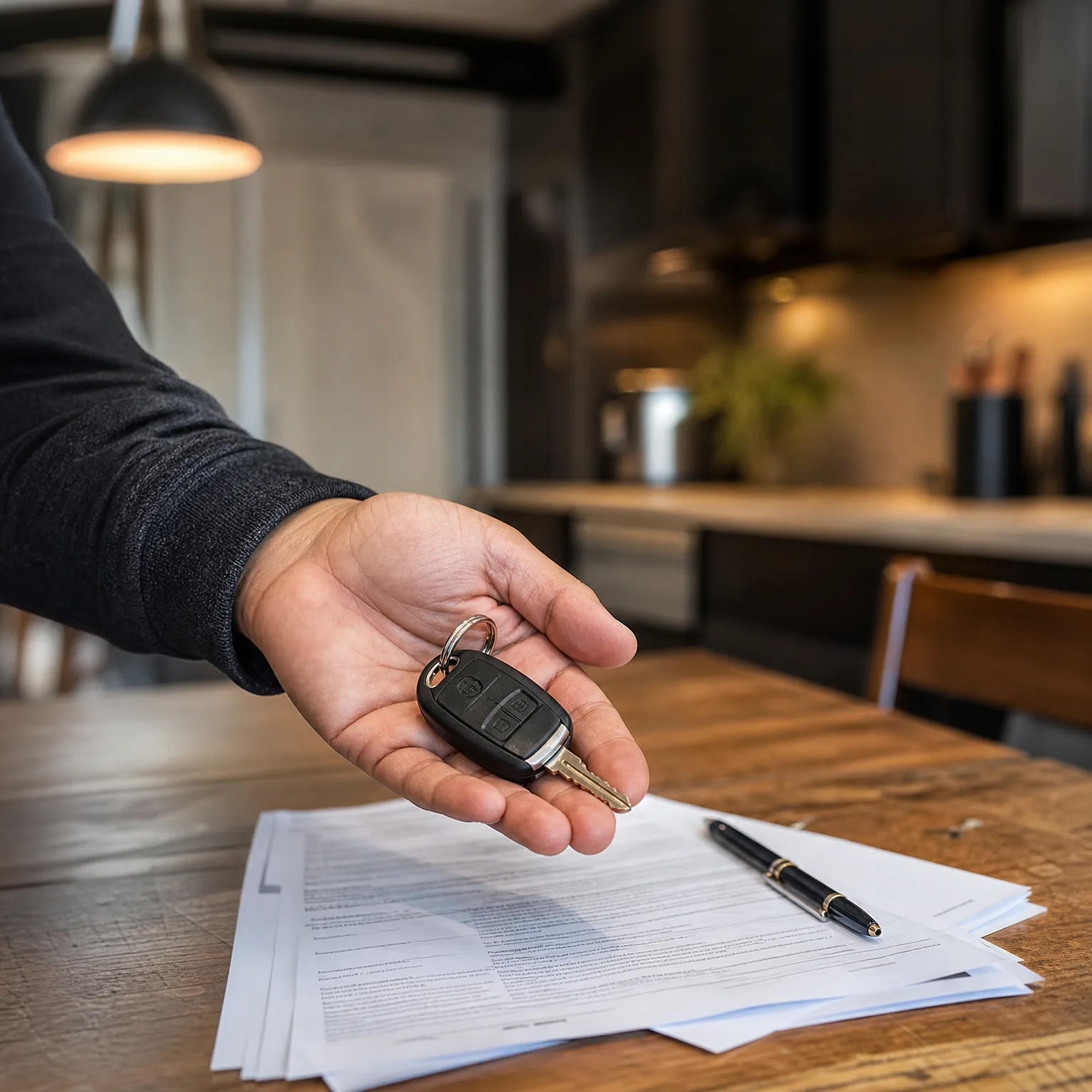
When Combining Policies Saves Money
Combining two separate policies into one multi-car policy saves money when the multi-vehicle discount outweighs the cost of re-rating both vehicles under the household's combined driving history. If both drivers have clean records and both vehicles are low-risk, combining almost always lowers the total premium. If one driver has a recent violation and the other does not, combining can raise the total compared to keeping the policies separate.
Delaware's mandatory PIP adds a per-vehicle cost that does not decrease when you add more vehicles. The multi-car discount applies to liability, collision, and comprehensive coverage, but PIP is a fixed per-vehicle charge. That means the savings from combining policies are smaller in Delaware than in states without mandatory PIP. The discount still applies, but the per-vehicle PIP cost limits how much you save.
When a household member moves in with a vehicle, adding that vehicle to your existing policy re-rates the entire policy. If the new driver has a clean record, the combined policy may cost less than the sum of the two separate policies. If the new driver has a violation, the combined policy may cost more. Request a quote for the combined policy before canceling either existing policy so you know the actual cost difference.
17 carriers
Delaware Auto Insurance Roster
Seventeen carriers are confirmed to write auto insurance in Delaware. Not all write multi-car policies for every driver profile. Standard-tier carriers dominate the roster, with three non-standard carriers available for higher-risk drivers.
Delaware carrier roster data

Coverage Decisions for Multi-Car Policies
Every vehicle on a multi-car policy must meet Delaware's $25,000/$50,000/$10,000 liability minimums and carry PIP. You can choose different collision and comprehensive coverage levels for each vehicle. A newer vehicle may carry a $500 deductible while an older vehicle carries a $1,000 deductible or no collision coverage at all. The multi-car discount applies to the policy as a whole, not to each vehicle individually, so structuring coverage differently per vehicle does not eliminate the discount.
Uninsured motorist coverage is optional in Delaware but recommended. Delaware's uninsured motorist rate is 17.6 percent, meaning roughly one in six drivers on the road does not carry liability insurance. Adding uninsured motorist coverage to a multi-car policy costs less per vehicle than adding it to separate policies because the coverage applies to the policy, not to each vehicle separately.
Compare Carriers for Your Household
Request quotes from at least three carriers for your entire household's vehicles on one policy. Provide accurate garaging addresses for each vehicle, the primary driver for each vehicle, and the annual mileage for each vehicle. Carriers price multi-car policies based on the household's combined driving history, so a quote for one vehicle does not predict the cost of adding a second or third.
Delaware's carrier roster includes standard, preferred, and non-standard options. If one carrier declines to write your household's multi-car policy, request quotes from non-standard carriers that write higher-risk profiles. Dairyland, Direct Auto, and The General write multi-car policies for drivers with violations or lapses. Compare the combined cost of one multi-car policy against the cost of separate policies per vehicle to confirm which structure costs less for your household.
Carriers Writing Multi-Car Policies in Delaware
Standard-tier carriers writing multi-car policies in Delaware include Allstate, Farmers, Geico, Hartford, Liberty Mutual, National General, Nationwide, Progressive, State Farm, Travelers, and USAA. Preferred-tier carriers include Amica and CSAA. Non-standard carriers include Dairyland, Direct Auto, and The General. Root writes multi-car policies online. Each carrier structures its multi-vehicle discount differently, and not all accept every driver profile.
State Farm and USAA are preferred-tier carriers that write multi-car policies for drivers with clean records. Geico, Progressive, and Allstate write multi-car policies across a wider risk spectrum. Dairyland, Direct Auto, and The General write non-standard multi-car policies for drivers with violations or lapses. When comparing carriers, request quotes for your entire household's vehicles on one policy, not separate quotes per vehicle, so the multi-car discount applies correctly.
Get Your Free Quote
Get My Delaware Car Insurance QuoteFrequently Asked Questions
Do all Delaware car insurance carriers offer multi-car discounts?
Most carriers writing auto insurance in Delaware offer multi-car discounts, but the discount structure varies by carrier. The discount typically requires every vehicle on the same policy and often requires all vehicles to be garaged at the same address. Request quotes from multiple carriers to compare how each structures its multi-vehicle discount.
Can I insure two cars on one policy if they are garaged at different addresses in Delaware?
Some carriers allow vehicles garaged at different addresses on one multi-car policy, but many require all vehicles to share a garaging address to qualify for the multi-vehicle discount. Contact the carrier directly to confirm whether your household's garaging situation qualifies for a multi-car policy.
Does Delaware require the same coverage on every vehicle on a multi-car policy?
Delaware requires every vehicle to meet the $25,000/$50,000/$10,000 liability minimums and carry PIP. You can choose different collision and comprehensive coverage levels for each vehicle on the same policy. A newer vehicle may carry full coverage while an older vehicle carries liability only.
Will combining two separate policies into one multi-car policy always save money?
Combining two separate policies into one multi-car policy saves money when the multi-vehicle discount outweighs the cost of re-rating both vehicles under the household's combined driving history. If one driver has a recent violation, combining policies may raise the total premium compared to keeping them separate. Request a combined-policy quote before canceling either existing policy.
How does Delaware's mandatory PIP affect multi-car policy cost?
Delaware requires personal injury protection on every vehicle. PIP is a per-vehicle charge, so insuring three cars means paying PIP three times. The multi-car discount applies to liability, collision, and comprehensive coverage but not to PIP, which limits the total savings from combining policies.