
Cheapest Full Coverage Car Insurance — Delaware
Free to compare
Full Coverage Across Multiple Vehicles
You own two or more cars in Delaware, and you're trying to decide whether to carry full coverage on all of them or split your coverage mix. The question isn't just what full coverage costs — it's whether every vehicle in your household needs the same level of protection, and how to structure policies so you're not overpaying for coverage you don't use.
Delaware requires $25,000 per person and $50,000 per accident in bodily injury liability, $10,000 in property damage liability, and personal injury protection on every registered vehicle. Full coverage adds collision and comprehensive on top of those state minimums. For households with multiple cars, the decision hinges on which vehicles justify the added cost of physical-damage coverage and which can run on liability alone.
“You can carry full coverage on daily drivers and liability-only on the weekend car, all on the same policy.”

Meet Delaware's Requirements Without Overpaying
Get My Delaware Car Insurance Quote$25,000/$50,000/$10,000
Delaware Liability Minimums
Delaware requires $25,000 bodily injury per person, $50,000 per accident, and $10,000 property damage on every vehicle. Personal injury protection is mandatory regardless of fault system.
Delaware Division of Motor Vehicles
What Full Coverage Actually Covers
Full coverage is not a product you buy. It's shorthand for a policy that combines state-required liability and PIP with collision and comprehensive physical-damage coverage. Collision pays to repair your car after an accident regardless of fault. Comprehensive covers theft, vandalism, weather damage, and animal strikes. Neither is required by Delaware law, but lenders require both if you finance or lease.
The cost difference between liability-only and full coverage comes entirely from adding collision and comprehensive. For a household insuring three cars, paying for collision and comprehensive on a rarely-driven vehicle or an older car worth less than a few thousand dollars often costs more annually than the car's actual cash value. That's the structural reality most multi-car households miss: you can carry full coverage on the daily drivers and liability-only on the weekend car or the beater, all on the same policy.
Delaware does not restrict how you mix coverage levels across vehicles on a single policy. You control the coverage mix per vehicle. The multi-car discount applies to the policy as a whole, not to individual coverage elections.
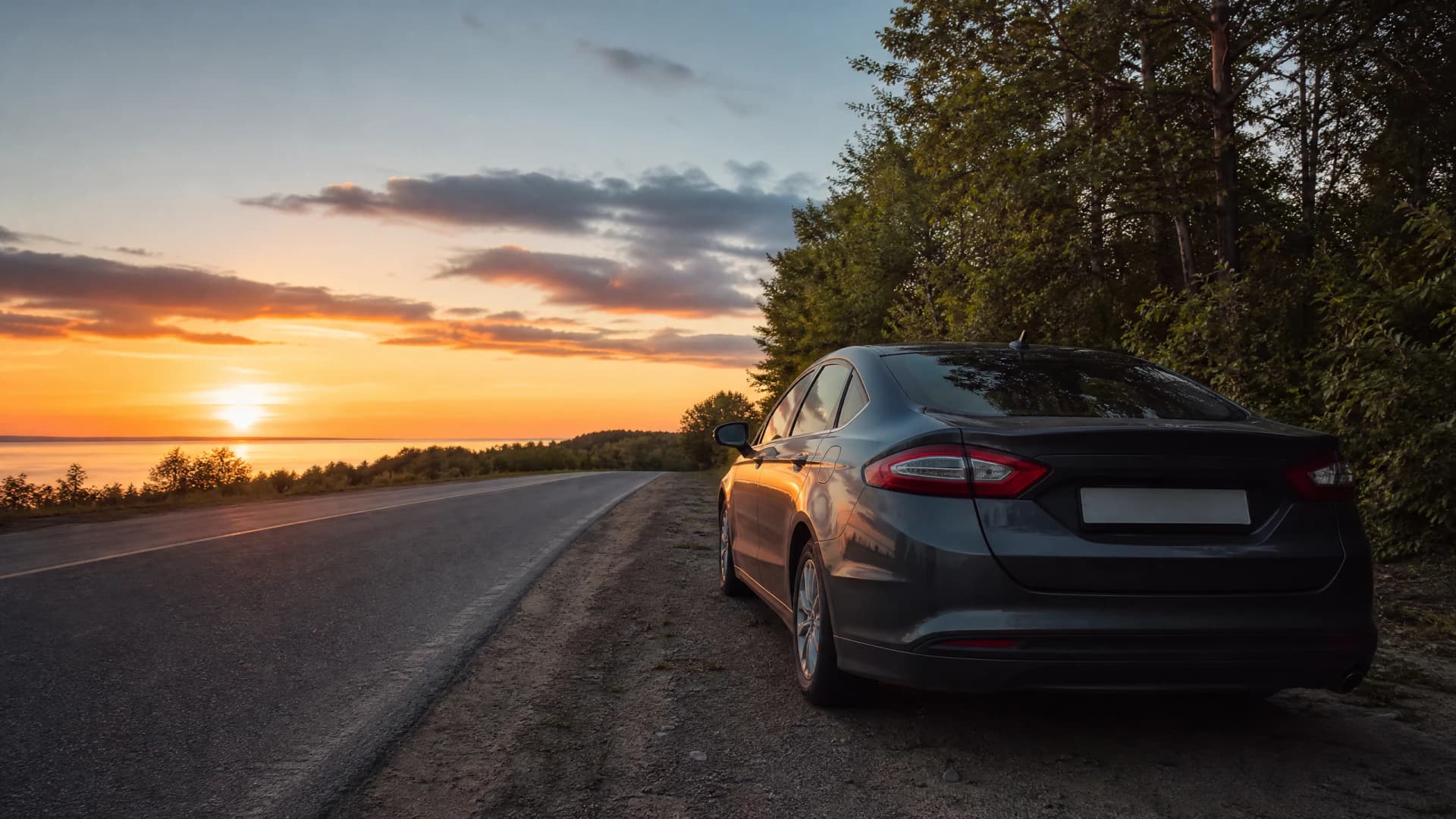
The blocker: most households assume full coverage is all-or-nothing across every car on the policy. It's not — you choose collision and comprehensive per vehicle.
Related Articles





Deductible Strategy for Multi-Car Policies
Deductibles determine how much you pay out of pocket before collision or comprehensive coverage kicks in. A $500 deductible costs more in premium than a $1,000 deductible, but it lowers your out-of-pocket expense at claim time.
For households insuring multiple vehicles, deductible strategy matters more than for single-car policies. If you carry full coverage on three cars and elect a $500 deductible on each, you're paying a higher combined premium to protect against scenarios where you might file claims on all three vehicles simultaneously — a rare event. The reserve covers the gap if you do file a claim, and you keep the difference if you don't.
Some households split deductible levels across vehicles based on driver experience. The car the teen drives might carry a lower deductible because the probability of a claim is higher. Carriers allow different deductible elections per vehicle on the same policy.
17.6%
Delaware Uninsured Motorist Rate
17.6% of Delaware motorists drive uninsured. Uninsured motorist coverage is optional in Delaware but protects your household when an at-fault driver has no insurance. Multi-car households often elect UM coverage at the same limits as liability.
Insurance Research Council, 2023

Carriers That Write Multi-Car Policies in Delaware
Delaware's carrier roster includes 18 insurers writing auto policies in the state. Multi-car discounts apply when every vehicle sits on the same policy and typically when all vehicles garage at the same address. Delaware's standard and preferred carriers — State Farm, Geico, Progressive, Allstate, Nationwide, Liberty Mutual, Travelers, USAA, and Farmers — all write multi-vehicle policies and offer multi-car discounts, though the discount structure and eligibility rules vary by carrier.
Some carriers calculate the multi-car discount as a percentage off each vehicle after the first. Others apply a flat reduction to the total policy premium. A few carriers tier the discount: the second vehicle gets a smaller discount than the third. The discount mechanism matters less than the final premium, but understanding how it's calculated helps you compare quotes accurately. When you request quotes, specify the exact number of vehicles, the coverage level per vehicle, and whether any are financed — those inputs determine whether the carrier's multi-car discount applies and how it's structured.
Compare Carriers With Your Actual Vehicle Mix
The cheapest full coverage for a multi-car household is not the carrier with the lowest advertised rate. It's the carrier whose rating algorithm prices your specific combination of vehicles, drivers, coverage levels, and deductibles lowest. A carrier that offers a competitive rate on two sedans might price an SUV and a truck higher. A carrier that discounts heavily for bundling home and auto might beat a competitor's standalone auto rate even when the competitor's base premium is lower.
Request quotes from at least three carriers, and provide identical information to each: the same vehicles, the same drivers, the same coverage levels per vehicle, and the same deductibles. Compare the total annual premium, not the per-vehicle breakdown, because the multi-car discount applies to the policy as a whole. The goal is the lowest total cost for the coverage mix your household actually needs.
How to Structure Coverage Across Your Fleet
Start with the vehicles you finance or lease. Lenders require collision and comprehensive until the loan is paid off. Those vehicles carry full coverage by contract, not choice. For owned vehicles, compare the car's actual cash value to the annual cost of collision and comprehensive. Drop to liability-only and bank the premium difference.
Next, separate daily drivers from occasional-use vehicles. The car you commute in five days a week faces higher exposure than the car you drive twice a month. Full coverage makes sense on high-exposure vehicles even when paid off, because the replacement cost and the probability of a claim both justify the premium. Low-mileage vehicles often make better candidates for liability-only, especially if the household has another insured car available when the occasional-use vehicle is out of service.
Get Your Free Quote
Get My Delaware Car Insurance QuoteFrequently Asked Questions
Do I need full coverage on every car I own in Delaware?
No. Delaware requires liability and PIP on every registered vehicle, but collision and comprehensive are optional unless a lender requires them. You can carry full coverage on financed or high-value vehicles and liability-only on older or low-mileage cars, all on the same policy.
Does the multi-car discount apply if I mix full coverage and liability-only?
Yes. The multi-car discount applies to the policy as a whole when every vehicle sits on the same policy, regardless of whether you elect the same coverage level on each car. Mixing coverage levels does not disqualify the discount.
Can I use different deductibles on different cars?
Yes. Carriers allow you to choose collision and comprehensive deductibles separately for each vehicle on a multi-car policy.
What happens if I drop collision and comprehensive mid-term?
You can drop collision and comprehensive coverage on any vehicle mid-term as long as no lender requires it. The carrier re-rates the policy and refunds the unused premium pro-rata. Dropping coverage does not affect the multi-car discount as long as every vehicle remains on the same policy.
How do I know if a car is worth keeping full coverage?
Compare the vehicle's actual cash value to the annual cost of collision and comprehensive plus your deductible. Many households drop to liability-only when that gap narrows.