
Insurance Company Licensing in Delaware
Free to compare
When a Carrier Says It Writes Delaware but the State Says Otherwise
You found a carrier online, filled out the quote form, selected Delaware as your state, and received a rate. The site let you proceed. But when you call to bind the policy, the agent tells you they cannot write coverage in Delaware after all. The carrier's website listed Delaware; the quote tool accepted your ZIP code. Yet the policy will not bind.
This happens because a carrier's marketing footprint and its actual state licensing authority do not always align. A national brand may advertise in Delaware, accept Delaware quotes through a third-party platform, or list Delaware on a coverage map, but lack the specific Delaware Department of Insurance authorization required to issue a policy. The only way to confirm a carrier can legally sell you auto insurance in Delaware is to verify its Delaware licensing status directly with the state.
“A carrier's website listing Delaware as a coverage state is not proof of licensing—only the state database confirms legal authority.”

Meet Delaware's Requirements Without Overpaying
Get My Delaware Car Insurance Quote862,122
Delaware Licensed Drivers
Delaware's driver population creates a competitive carrier market, but not every national brand holds Delaware authority. The state requires separate licensing even when a carrier operates in surrounding states.
Federal Highway Administration, 2022
What Delaware Licensing Authority Actually Means
A carrier must hold a Certificate of Authority from the Delaware Department of Insurance to write auto insurance policies for Delaware residents. This certificate confirms the carrier met Delaware's financial, regulatory, and operational requirements. Without it, the carrier cannot legally issue a policy, collect premiums, or pay claims in Delaware.
Delaware does not recognize out-of-state policies for vehicles garaged in Delaware. If you buy a policy from a carrier licensed in Pennsylvania or Maryland but not Delaware, that policy does not satisfy Delaware's proof-of-insurance requirement. You cannot register a vehicle, and you are driving uninsured under Delaware law even if the policy document lists Delaware as your address.
The Certificate of Authority is carrier-specific and entity-specific. A parent company's national presence does not automatically extend to every subsidiary. A carrier writing homeowners insurance in Delaware may not hold authority for auto. Each line of business requires separate approval.
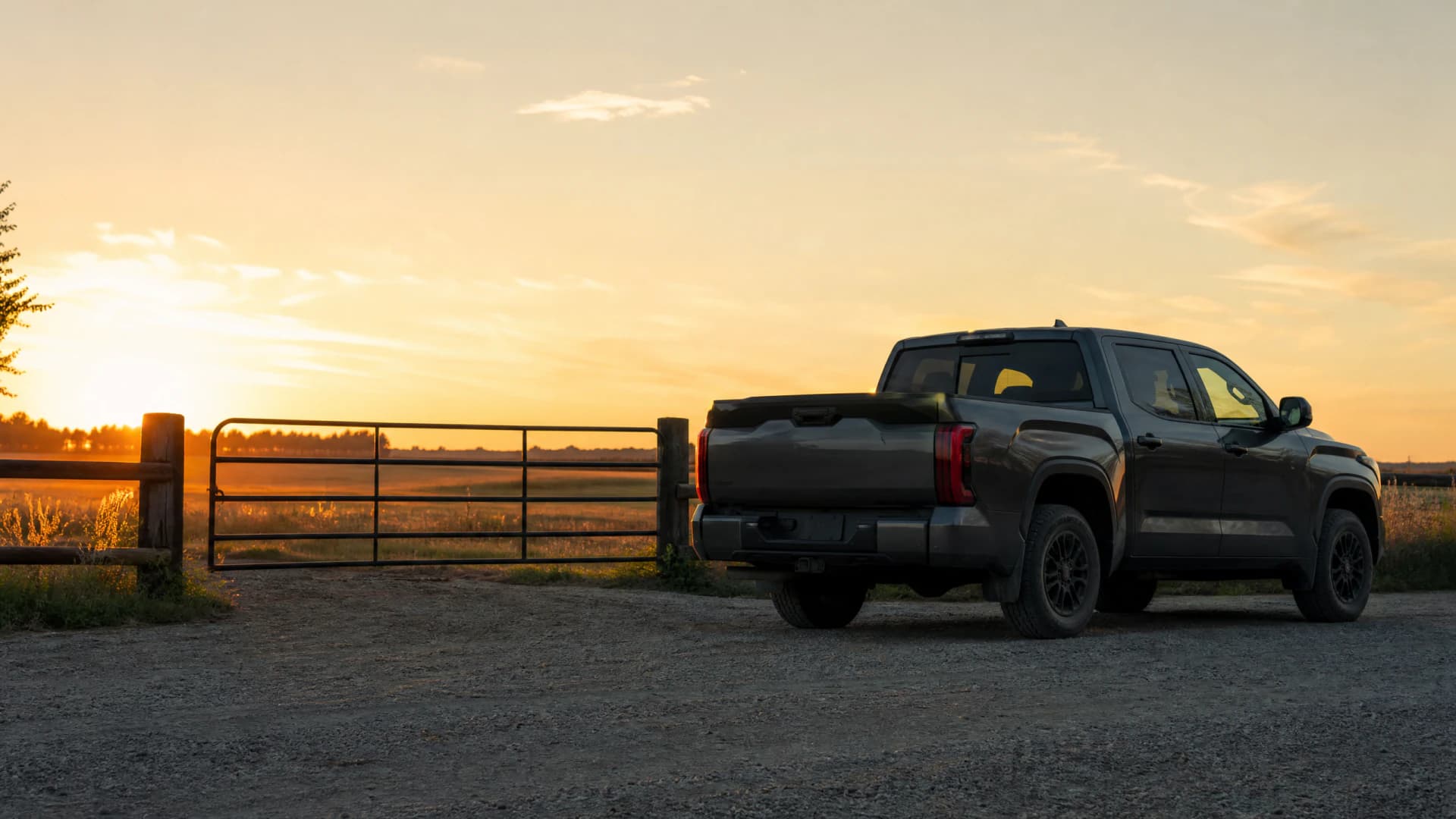
A carrier's website listing Delaware as a coverage state is not proof of licensing. Only the Delaware Department of Insurance database confirms legal authority to write policies.
Related Articles

Best Car Insurance for Multiple Vehicles DE
7/15/2026
Licensed Car Insurers in Delaware
7/15/2026

National General Car Insurance in Delaware
7/15/2026

Best Minimum Coverage Car Insurance — Delaware
7/15/2026
Best Cheap Car Insurance Companies Delaware
7/15/2026

Cheapest Car Insurance Companies in Delaware
7/15/2026
What Happens When You Buy from an Unlicensed Carrier
Delaware law prohibits unlicensed carriers from transacting insurance business in the state. If you unknowingly purchase a policy from an unlicensed carrier, that policy is void from the start. You have no coverage. If you file a claim, the carrier has no legal obligation to pay it. If you are stopped by law enforcement, the policy does not satisfy Delaware's proof-of-insurance requirement, and you face penalties for driving uninsured.
The Delaware Division of Motor Vehicles cross-references insurance filings with the Department of Insurance's licensed-carrier list. If your carrier is not on that list, the DMV will not accept the insurance verification. Your registration will be denied or suspended. You cannot legally drive the vehicle until you obtain coverage from a Delaware-licensed carrier.
Unlicensed carriers sometimes operate through aggregators or comparison platforms that do not verify state licensing before displaying quotes. The platform may route your information to a carrier that cannot actually write the policy. You discover the problem only when you attempt to bind coverage or file a claim. By then, you may have canceled your previous policy and lost coverage continuity.
$25,000 / $50,000 / $10,000
Delaware Minimum Liability Limits
Every Delaware auto policy must meet these minimums: $25,000 bodily injury per person, $50,000 per accident, and $10,000 property damage. Only a Delaware-licensed carrier can issue a policy that satisfies this requirement.
21 Del.C. § 2118

Why NAIC Numbers Matter More Than Brand Names
A single brand often operates through multiple legal entities, each with its own NAIC number and its own state-by-state licensing footprint. Progressive, for example, writes policies through Progressive Casualty Insurance Company, Progressive Direct Insurance Company, and several other entities depending on the state and the driver's risk profile. One entity may hold Delaware authority while another does not.
When you receive a quote, the policy documents will specify the legal entity and NAIC number. That is the entity you must verify in the Delaware database. Do not assume that because Progressive is licensed in Delaware, every Progressive entity can write your policy. Check the specific NAIC number on your quote against the Delaware Department of Insurance records.
Verify Before You Bind
Confirm licensing status before you cancel your current policy or make the first premium payment. Request the carrier's legal entity name and NAIC number from the agent or the quote document. Run the Delaware Department of Insurance lookup. Verify that Private Passenger Auto appears under authorized lines. If the carrier is not listed or auto is not authorized, do not proceed with the purchase.
If you are comparing multiple carriers, verify each one. A Delaware-licensed carrier roster exists on this site, drawn from the Department of Insurance database, listing carriers confirmed to hold Delaware auto insurance authority. Cross-reference your quote against that roster. If the carrier is not on the list, verify independently before binding.
How to Check Licensing Status with the Delaware Department of Insurance
Start at the Delaware Department of Insurance website. Navigate to the Company Search or Licensee Lookup tool. Enter the carrier's legal name exactly as it appears on the quote document, not the marketing name. For example, GEICO's legal entity is Government Employees Insurance Company. Progressive operates through multiple entities; the quote will specify which one. If the legal name does not return results, use the carrier's NAIC company code instead. Every licensed insurer has a unique five-digit NAIC number that appears on policy documents, ID cards, and declarations pages.
The lookup result will show the carrier's Certificate of Authority status, the lines of business it is authorized to write, and the date authority was granted. Confirm that Private Passenger Auto or Motor Vehicle is listed under authorized lines. If the carrier appears but auto is not listed, it cannot write your policy. If the carrier does not appear at all, it is not licensed in Delaware regardless of what its website claims.
Get Your Free Quote
Get My Delaware Car Insurance QuoteFrequently Asked Questions
How do I find a carrier's NAIC number?
The NAIC number appears on your quote document, policy declarations page, and insurance ID card. It is a five-digit code unique to each legal entity. If you do not have a policy document yet, call the carrier and ask for the NAIC number of the entity that will underwrite your Delaware policy.
Can I use an out-of-state policy if I just moved to Delaware?
No. Delaware requires all vehicles garaged in the state to carry insurance from a Delaware-licensed carrier. When you establish Delaware residency, you must switch to a Delaware policy within the timeframe specified by your current carrier, typically 30 to 60 days.
What if the carrier is licensed in Delaware but my quote comes from an unlicensed subsidiary?
The policy will not bind. Each legal entity within a brand must hold its own Delaware Certificate of Authority. Verify the specific NAIC number on your quote document against the Delaware Department of Insurance database before you pay the premium.
Does Delaware recognize policies from surplus lines carriers?
Surplus lines carriers operate under different rules and typically serve high-risk drivers or specialty vehicles. They must be authorized by the Delaware Department of Insurance to transact surplus lines business. Verify surplus lines authority separately; standard carrier lookups do not always include surplus lines entities.
How often does Delaware update its licensed carrier list?
The Delaware Department of Insurance updates its database continuously as carriers receive or surrender authority. Check the database at the time you are comparing quotes, not weeks or months earlier. Licensing status can change.