
Why Car Insurance Is So Expensive — Delaware
Free to compare
The Multi-Car Premium Shock
You added a second or third vehicle to your Delaware policy and the premium jumped more than you expected. The increase wasn't simply the cost of one more car—it felt like the entire policy re-priced upward. That's because Delaware's insurance cost structure penalizes multi-vehicle households in ways that aren't obvious until you see the renewal statement.
Delaware sits in the middle tier nationally for average annual auto insurance expenditure at $1,462.03 per insured vehicle as of 2023, but that figure masks what drives the cost for households insuring multiple cars. The state's combination of mandatory Personal Injury Protection coverage, a high uninsured-motorist population, and a small geographic footprint that concentrates risk creates a premium environment where adding vehicles triggers disproportionate rate increases.
“PIP is mandatory per vehicle in Delaware, and it doesn't discount the way liability does when you add cars to one policy.”

Meet Delaware's Requirements Without Overpaying
Get My Delaware Car Insurance Quote17.6%
Delaware Uninsured Motorist Rate
Nearly one in five Delaware drivers operates without insurance, well above the national average. Carriers price this risk into every policy, and multi-vehicle households absorb the cost across every car on the policy.
Insurance Research Council, 2023
Mandatory PIP Adds a Fixed Floor to Every Vehicle
Delaware requires Personal Injury Protection coverage on every auto policy. PIP pays medical expenses and lost wages regardless of fault, and it applies per vehicle. When you insure one car, you pay for PIP once. When you insure three cars, you pay for PIP three times.
The state minimum liability limits—$25,000 per person, $50,000 per accident for bodily injury, and $10,000 for property damage—sit below the cost floor PIP creates. Carriers cannot sell you a policy that meets Delaware's legal requirements without including PIP, and that coverage does not discount at the same rate as liability when you add vehicles.
Multi-car discounts typically apply to liability and physical-damage coverages, but PIP remains largely fixed per vehicle. The result: your second and third vehicles cost more to add than the liability-only math would suggest, because each one carries its own PIP charge that doesn't compress much as the policy grows.
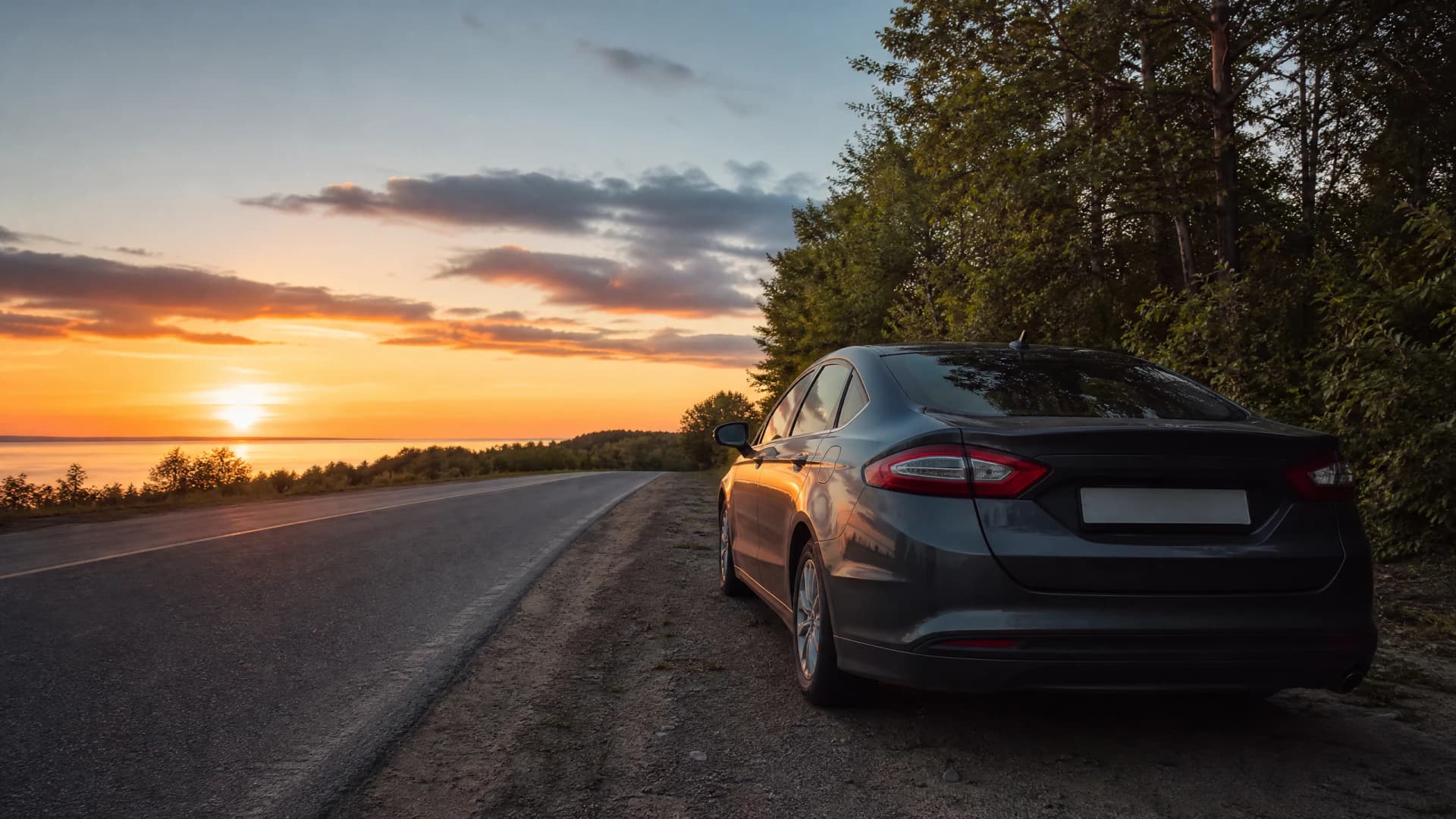
PIP is mandatory per vehicle in Delaware, and it doesn't discount the way liability does when you add cars to one policy.



Geographic Density Raises Collision and Theft Risk
Delaware's 211.4 motor vehicle thefts per 100,000 population in 2024 sits above the national median, and the state's urban corridors—Wilmington, Dover, Newark—concentrate both theft and collision risk. When you insure multiple vehicles garaged at the same address, carriers rate all of them against that single location's risk profile.
A household in Wilmington insuring three cars pays a location-based surcharge three times. The garaging address is the single largest non-driver rating factor for comprehensive and collision coverage, and it does not discount when you add vehicles. Your second and third cars absorb the full location penalty, even though the multi-car discount reduces liability.
Delaware's 9,872 million annual vehicle miles traveled in 2022 across a state of just 1,982 square miles creates high traffic density. The state's 1.39 traffic fatalities per 100 million vehicle miles traveled in 2023 reflects that density, and carriers price collision frequency into comprehensive and collision premiums. Multi-vehicle households in high-density ZIP codes see this cost layer stack on top of PIP and uninsured-motorist charges.
$1,462.03
Delaware Average Annual Expenditure Per Vehicle
This 2023 figure represents the average cost per insured vehicle, but multi-vehicle households often exceed this benchmark because mandatory PIP and uninsured-motorist risk scale per car without proportional discounts.
NAIC Auto Insurance Database Report, 2023

How Carriers Structure Multi-Car Discounts in Delaware
The multi-car discount applies primarily to liability coverage. Carriers reduce the per-vehicle liability premium when you insure two or more cars on one policy, but the discount percentage shrinks as you add vehicles. The second car typically receives a larger discount than the third, and the fourth car may receive no additional discount at all.
Comprehensive and collision premiums discount less aggressively. These coverages are priced against the vehicle's value, theft risk, and repair cost, and those factors do not change when you add another car to the policy. A 2020 sedan and a 2018 SUV on the same policy each carry their own comprehensive and collision premiums with minimal cross-vehicle discount, even though liability is discounted across both.
Compare Carriers That Write Multi-Vehicle Policies in Delaware
Seventeen carriers write auto insurance in Delaware, and their multi-vehicle pricing structures vary significantly. Allstate, Geico, Progressive, State Farm, and Nationwide all write multi-vehicle policies in Delaware, and each applies its own discount schedule and base-rate structure.
Request quotes from at least three carriers that write your vehicle types. Compare the total policy premium, not just the per-vehicle breakdown, because PIP and uninsured-motorist charges are structured differently across carriers. Some carriers front-load PIP into the first vehicle; others distribute it evenly. The carrier with the lowest single-car rate may not offer the best multi-car rate once PIP and uninsured-motorist premiums are factored in. Delaware does not regulate multi-car discount percentages, so carriers compete on structure rather than on mandated rates.
The Uninsured-Motorist Risk Premium
When nearly one in five drivers on Delaware roads carries no insurance, the probability that your household will file an uninsured-motorist claim rises with every vehicle you insure. A household with three cars has three times the exposure to uninsured drivers compared to a household with one car, and carriers adjust premiums accordingly. The uninsured-motorist coverage you carry—optional in Delaware but widely purchased—becomes more expensive as your vehicle count rises, because the actuarial risk scales with the number of insured vehicles.
This dynamic is invisible on the quote screen. You see a multi-car discount applied to liability, but the uninsured-motorist premium quietly rises in the background. The net effect: your discount saves less than you expected, and the total premium feels disproportionate to the number of cars you added. Delaware's small size concentrates this risk—862,122 licensed drivers and 467,268 registered vehicles as of 2022 means the uninsured population is geographically dense, raising the likelihood of an encounter.
Get Your Free Quote
Get My Delaware Car Insurance QuoteFrequently Asked Questions
Why does adding a second car to my Delaware policy cost more than I expected?
Delaware requires Personal Injury Protection on every vehicle, and PIP does not discount at the same rate as liability when you add cars. Your second vehicle carries its own PIP charge plus a share of the state's 17.6% uninsured-motorist risk premium, which raises the total policy cost more than liability-only math would suggest.
Does Delaware require uninsured motorist coverage on multi-car policies?
No. Delaware does not mandate uninsured-motorist coverage, but 17.6% of Delaware drivers operate without insurance—one of the highest rates in the Mid-Atlantic. Most carriers recommend uninsured-motorist coverage for multi-vehicle households because the exposure to uninsured drivers scales with the number of cars you insure.
Do all Delaware carriers offer the same multi-car discount?
No. Delaware does not regulate multi-car discount percentages, so carriers structure their discounts differently. Some apply a larger discount to the second vehicle and a smaller discount to the third; others distribute the discount evenly. The carrier with the lowest single-car rate may not offer the best multi-car rate once PIP and uninsured-motorist premiums are included.
How does Delaware's uninsured-motorist rate affect my multi-car premium?
Delaware's 17.6% uninsured rate raises the actuarial risk for every vehicle on your policy. Carriers price this risk into uninsured-motorist coverage, and the cost scales with the number of cars you insure. A household with three cars has three times the exposure to uninsured drivers compared to a household with one car, and premiums adjust accordingly.
Can I lower my Delaware multi-car premium by dropping PIP?
No. Delaware law requires Personal Injury Protection on every auto policy. You cannot drop PIP to reduce your premium. The only way to lower PIP cost is to choose a higher deductible or lower coverage limits within the state's minimum requirements, but PIP remains mandatory on every vehicle you insure.